
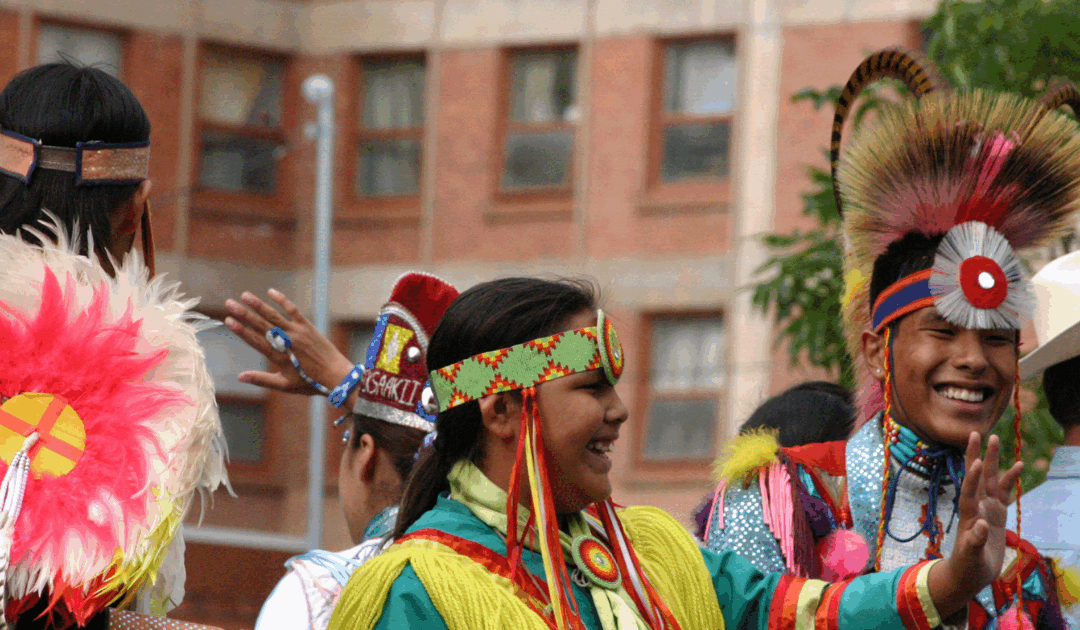
What is Indigenous Disability Awareness Month?
November is Indigenous Disability Awareness Month (IDAM). Created in 2015 by the British Columbia Aboriginal Network on Disability Society (BCANDS), November is a time to recognize the valuable social, economic, and cultural contributions that Indigenous people living with disabilities bring to our society. Not only is it an opportunity to educate and raise awareness to the barriers faced by the community – IDAM also gives us a chance to loudly celebrate the meaningful achievements and contributions of Indigenous people living with disabilities.
Honouring This Month and Why it Matters
When talking about IDAM, it is crucial to remember the history of Indigenous people in Canada. Years of colonialism, racism, ableism, and forced poverty has resulted in higher rates of environmental and trauma-related disabilities (Chan, 2025). First Nations are more likely to have a disability than non-Indigenous Canadians. Over 30% of Indigenous Canadians aged 15 and older experience disability, a significantly higher rate than the national average of 22% for all disabled Canadians aged 15 and older (Stats Canada, 2022). Ongoing colonial policies, the lasting impact of residential schools, limited access to traditional healing practices, and many other systemic barriers is why these numbers remain so high — and why Indigenous-led approaches to accessibility and disability justice are essential.
IDAM continues to remind us all that disability still impacts Indigenous communities differently – and it requires us to deepen our understanding about colonial practices and barriers to care. Learning about the realities of Indigenous peoples with disabilities while also celebrating their work is part of our ongoing commitment to honouring IDAM.
Here are a list of Indigenous-led organizations, support services, and creative leaders having conversations about disability, culture, and community wellbeing:
1. Organizations and supports
- Visit the British Columbia Aboriginal Network on Disability Society (BCANDS) to learn more about Indigenous Disability Awareness Month
- Aboriginal Health Access Centres
- Hope for Wellness Helpline, Toll-Free at 1-855-242-3310
- Find a Friendship Centre near you
- Shkaabe Mkawa at CAMH, first Indigenous-led hospital centre based in Canada
- First Nations Accessibility Hub
- Native Women’s Association of Canada (NWAC) – Offers mental health support and counselling services for Indigenous women
2. Media content, articles, and educational tools
- Stream free content featuring talented Indigenous members of the disability community now on AMI+, including Postcards From, Mind Your Own Business, and Game Changers
- Youtube Video: Indigeneity and Disability in our Schools
- Crushing Colonialism – Inclusive international Indigenous reporting and storytelling
- Read an article on Indigeneity and Disability: The Teachings of our Ancestors and Being in Relations Towards Harmonious Outcomes
3. Indigenous representation in arts and media
- James Jones – Indigenous Hoop Dancer, Educator and Performer
- Mattmac – Music Producer, Recording Artist
- Kairyn Potts – Actor and Host
- Larissa Crawford – Entrepreneur, Speaker, Founder
- Michelle Chubb – Activist, Model, Public Speaker
- Autumn Peltier – Indigenous Rights Activist, Speaker
These resources are simply a starting point. Continuing to learn from the voices of Indigenous peoples with disabilities, challenge unfair systems, and uplift Indigenous-led approaches to disability and accessibility is how we can honour IDAM in a meaningful way.
Resources
Beall, Avery. “Measuring Disability in Canada.” Government of Canada, Statistics Canada, Government of Canada, Statistics Canada, 2 Dec. 2022, www150.statcan.gc.ca/n1/pub/11-627-m/11-627-m2022062-eng.htm.
Chan, Walter Wai Tak. “Indigenous Leadership and the Canadian Disability Movement.” Disability Studies Quarterly, The Ohio State University Libraries, 4 June 2025, dsq-sds.org/article/id/277/.
Government of Canada, Statistics Canada. “Disability Status, Disability Severity Class and Labour Force Status by Aboriginal Identity, Age Group and Sex.” Government of Canada, Statistics Canada, 17 Mar. 2021, www150.statcan.gc.ca/t1/tbl1/en/tv.action?pid=4110004901.
Latest on the blog
10 Years of AccessNow: Reflecting on 2025
2025 was a big year at AccessNow - it marked our 10-year anniversary, a milestone that gave us space to reflect on how far we’ve come and where we’re headed next. Throughout the year, we experienced moments of learning, collaboration, and growth that moved...
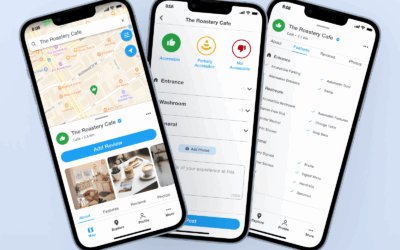
What’s New in the AccessNow App
We’re turning 10 — and we’ve just launched our biggest app update yet. Built with and for our community, this version of AccessNow brings a whole new look and smarter features that make it easier than ever to find and share accessibility info around the world. You...
IDPD 2025: Advancing Disability Inclusion for Social Progress
Every year on December 3, the International Day of Persons with Disabilities (IDPD) reminds us that inclusion is not just a goal — it is a collective responsibility. This day celebrates accessibility, equity, and full participation for people with disabilities. It...
