
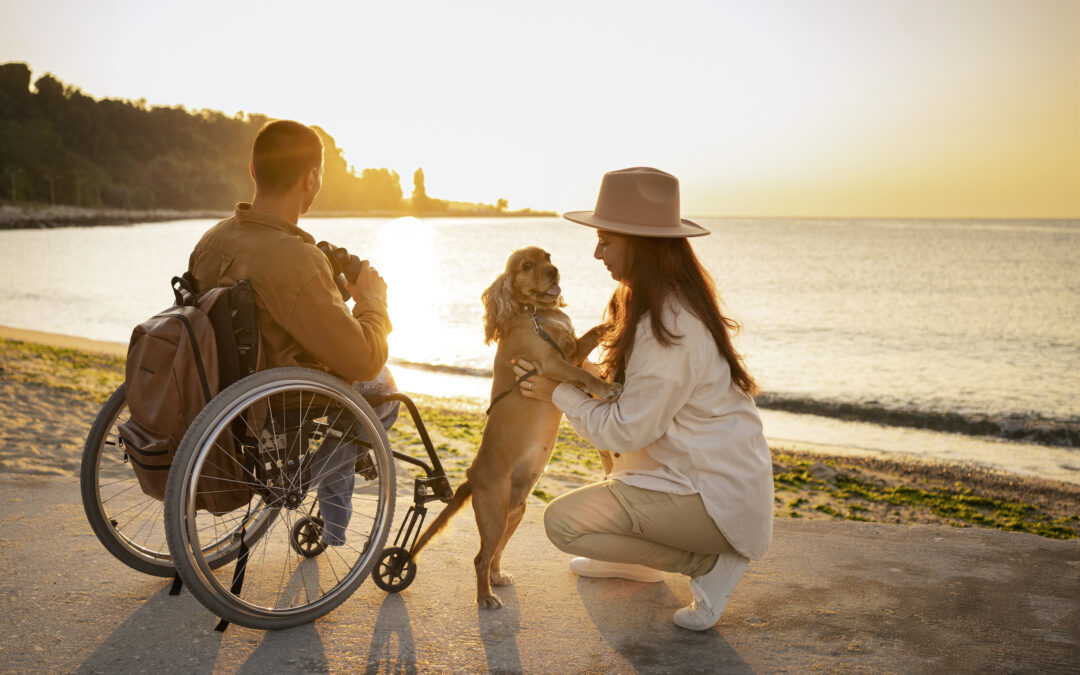
A new report from Fora, a network of travel advisors, puts numbers behind something many of us already know: accessibility needs aren’t rare in family travel, they’re common. And the travel industry still isn’t set up to handle them well.
Fora surveyed 2,592 U.S. adults and 1,359 of its own travel advisors this past summer. The findings paint a clear picture of demand outpacing infrastructure.
The Numbers
More than half of families (55%) planning a multigenerational trip in the next three years say someone in their group will need accommodation. Whether that’s mobility support, dietary restrictions, medical equipment, or sensory considerations. Among those families, 68% have more than one access need in the group, and needs span generations: it’s not just older relatives. More than a third say a parent or another adult between 18 and 64 needs an accommodation, and almost one in four say a child or teenager does.
On the advisor side, two-thirds have booked a trip for a client with an accessibility need, and for nearly a fifth of those advisors, accessible trips now make up more than a quarter of their business.
People are Willing to Pay
Among families who’ll need an accommodation on an upcoming multigenerational trip, 78% say they’d pay more to make sure those needs are properly met. Advisors report accessible bookings often top $10,000 and generate the same or higher spend than the average trip. This isn’t a niche, budget-conscious segment – it’s a segment the industry has been slow to serve.
The obstacle isn’t willingness to spend. It’s information. 90% of advisors say online accessibility information is incomplete, outdated, or contradictory, and almost half say it’s often or always off base. Nearly a third have had a client arrive at a property to find a promised accessibility feature missing or unusable, even with an experienced advisor doing the legwork.
The hardest details to pin down are: excursions and activities, hotel room and bathroom specifics, and on-property access – the exact details that determine whether a trip actually works for someone.
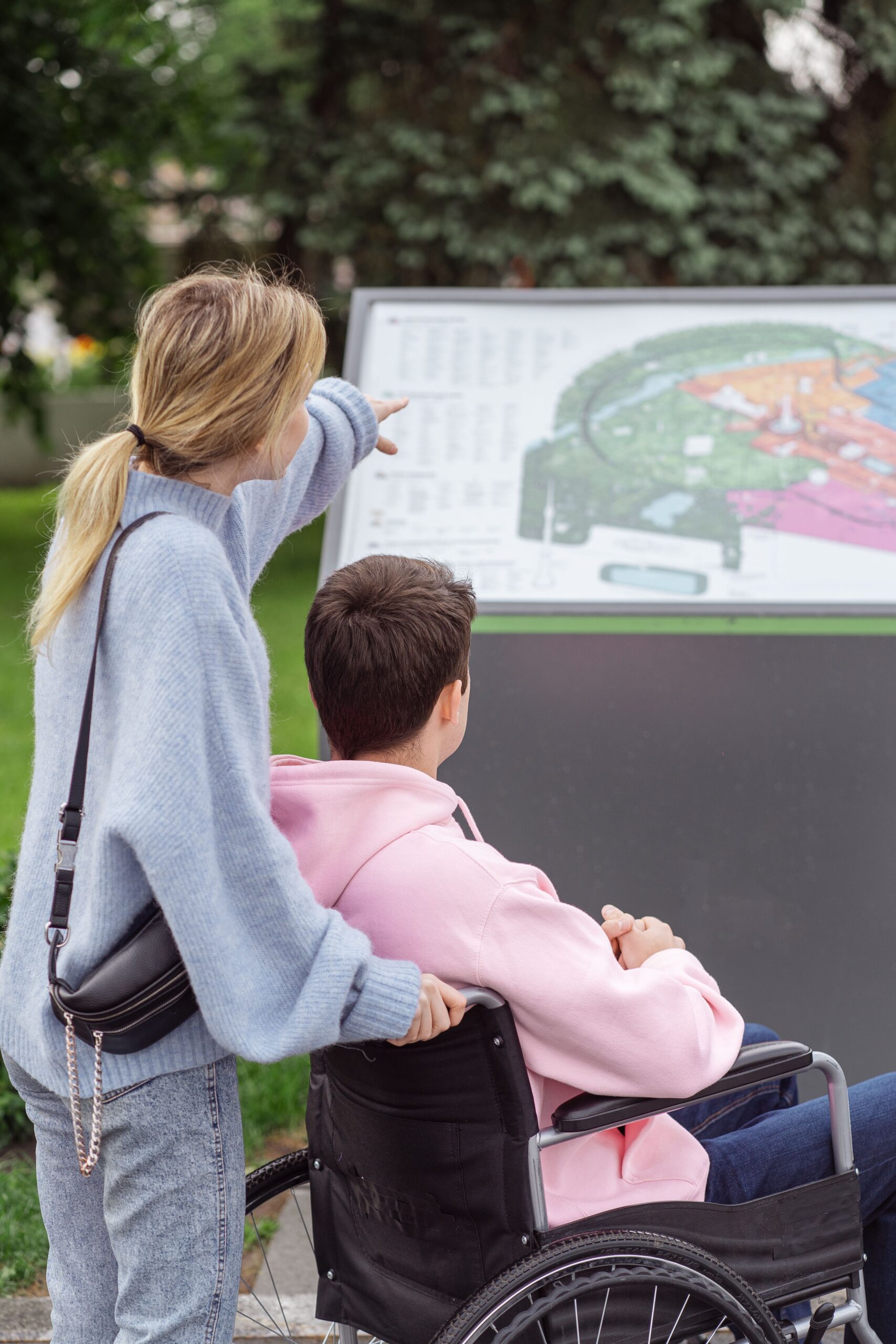
Notably, this problem doesn’t ease with a bigger budget or more advisor experience. Advisors who work mostly in luxury travel report just as much difficulty sourcing accessible options, and advisors whose business is mostly accessible travel report the most difficulty finding accommodations that truly meet client needs, suggesting the gap is in the industry’s information and infrastructure, not in who’s asking.
What This Tells Us
Emotionally, families feel the weight of this uncertainty: alongside excitement about the trip itself, many report stress about whether a hotel will actually meet their needs, and anxiety about finding accurate information before booking.
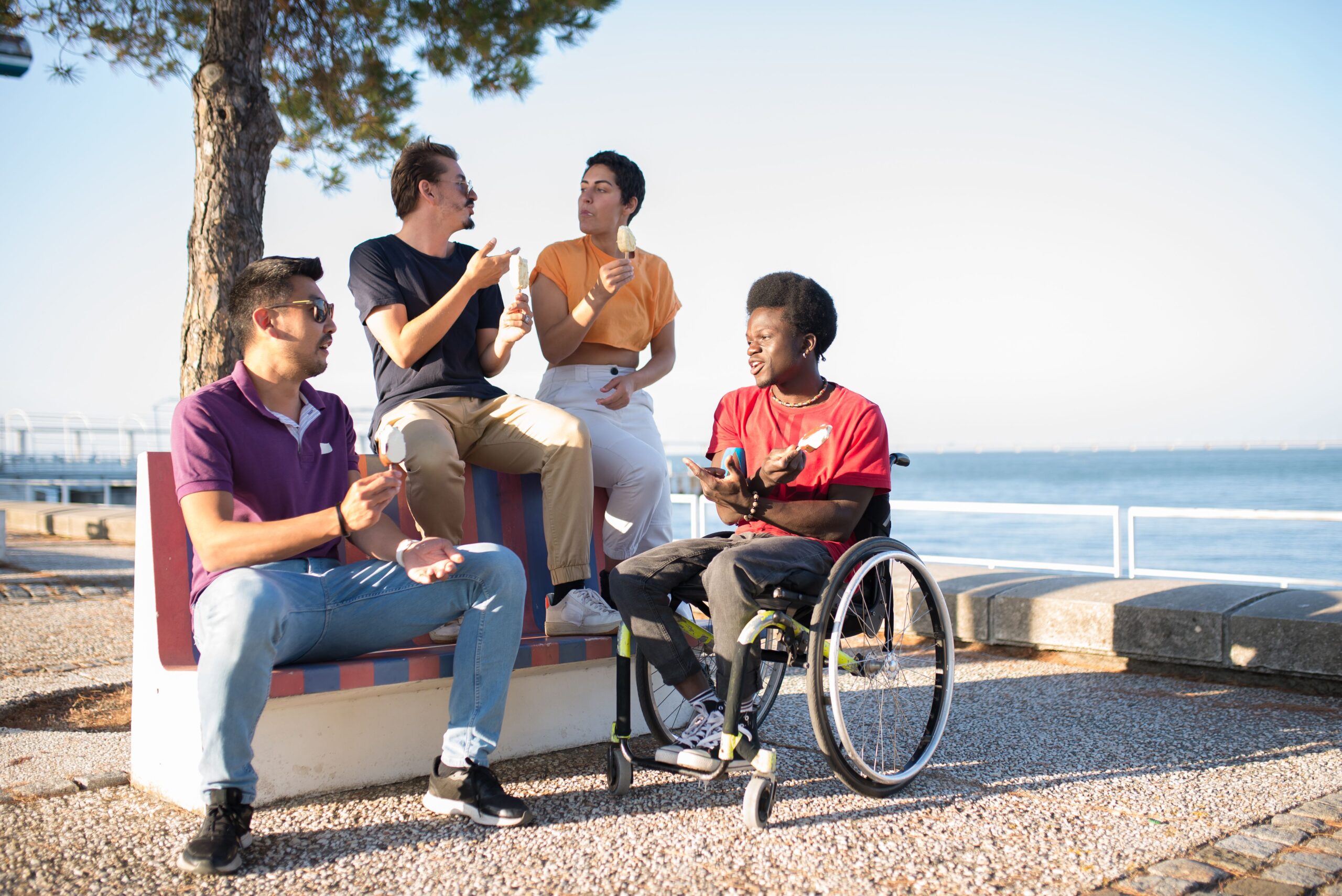
The takeaway is straightforward; accessible travel demand is real, growing, and cuts across income levels and generations. What’s missing is trustworthy, verifiable information at the point families and advisors need it most.
Looking for information on accessible travel? Explore the AccessNow app to discover accessible attractions, venues, restaurants, and more. Add a review of a place you’ve visited to help the next traveler plan with confidence.
Latest on the blog
MapMission Day 2026 Recap: Mapping Together
On October 17, we hosted Map Mission Day 2026 across Canada, with mapping happening in five cities: Toronto, Ottawa, Vancouver, Calgary, and Sudbury. Here’s a little recap of how it went and the impact we had. What is a MapMission? The AccessNow app is powered by...
Facebook Login Is Changing on AccessNow: What You Need to Know
We’ve made some changes to how you log in to the AccessNow app. We’re moving away from Facebook login. If that’s how you sign in, keep reading and learn how to make the easy switch!What does this mean for you? If you’ve been signing in with Facebook, you’ll need to...
Accessible Hospitality Across Niagara-on-the-Lake
Niagara has built a reputation as one of Ontario's more accessible destinations. We've previously shared how much of the region has been increasingly designing their spaces and experiences with accessibility in mind. This article written by Tori Hunter, highlights fun...
