
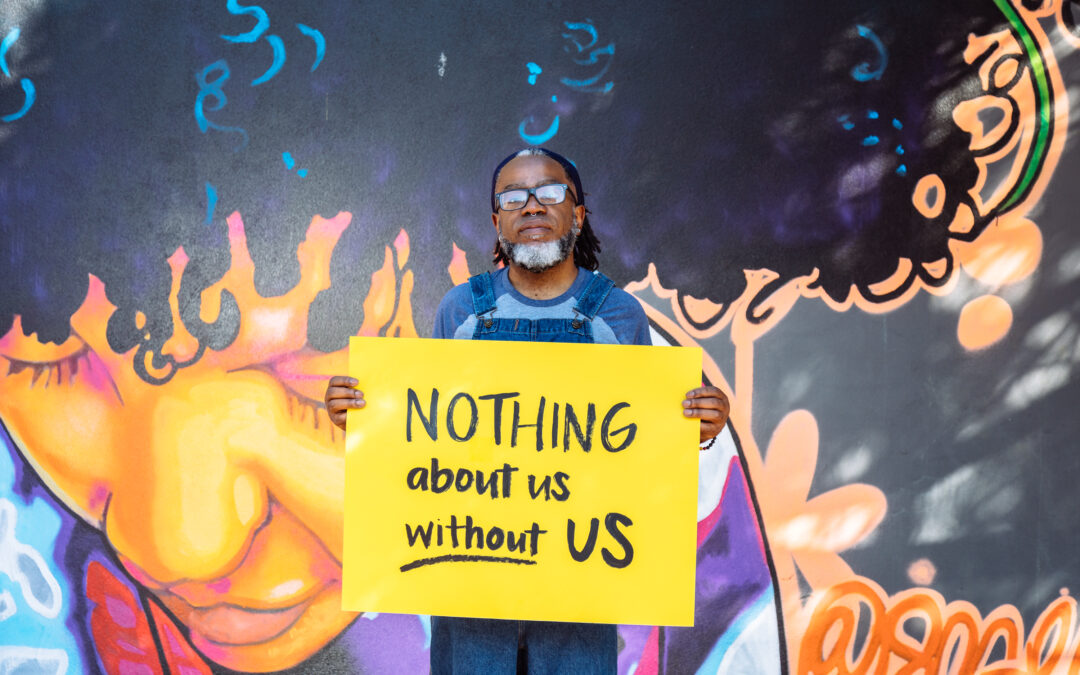
Black disabled leaders have shaped powerful social movements across the world and throughout history. For many of them, their lives sit at the intersection of race and disability – two identities that have historically been marginalized. From this intersection comes innovation, resilience, cultural influence, and a deeper understanding of disability justice that challenges us to rethink disability history.
As we celebrate Black History Month this February, we honour the contributions of Black disabled leaders throughout time. Their stories remind us that disability is an integral part of Black history.
Here is an extensive list of Black disabled leaders to learn about today:
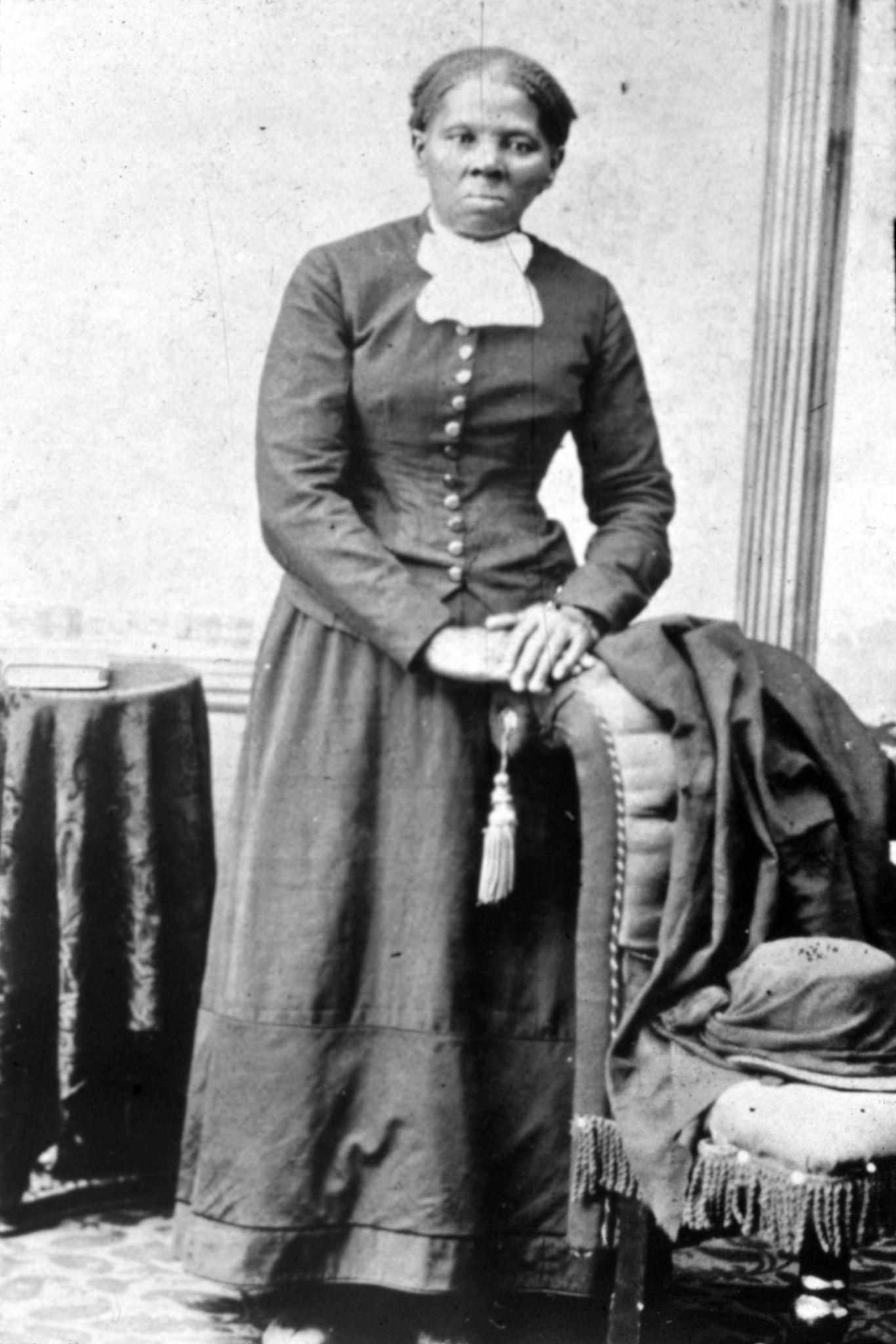
Harriet Tubman
Harriet Tubman was an abolitionist who escaped slavery and returned multiple times to guide dozens of enslaved people to freedom through the Underground Railroad. She later served as a nurse, scout, and spy during the Civil War, becoming the first woman to lead a U.S. military expedition. Tubman lived with the lifelong effects of a traumatic brain injury that caused seizures and chronic pain. Though she did not use modern disability language, her life stands as a powerful example of a disabled Black woman leading one of the most significant liberation movements in history.
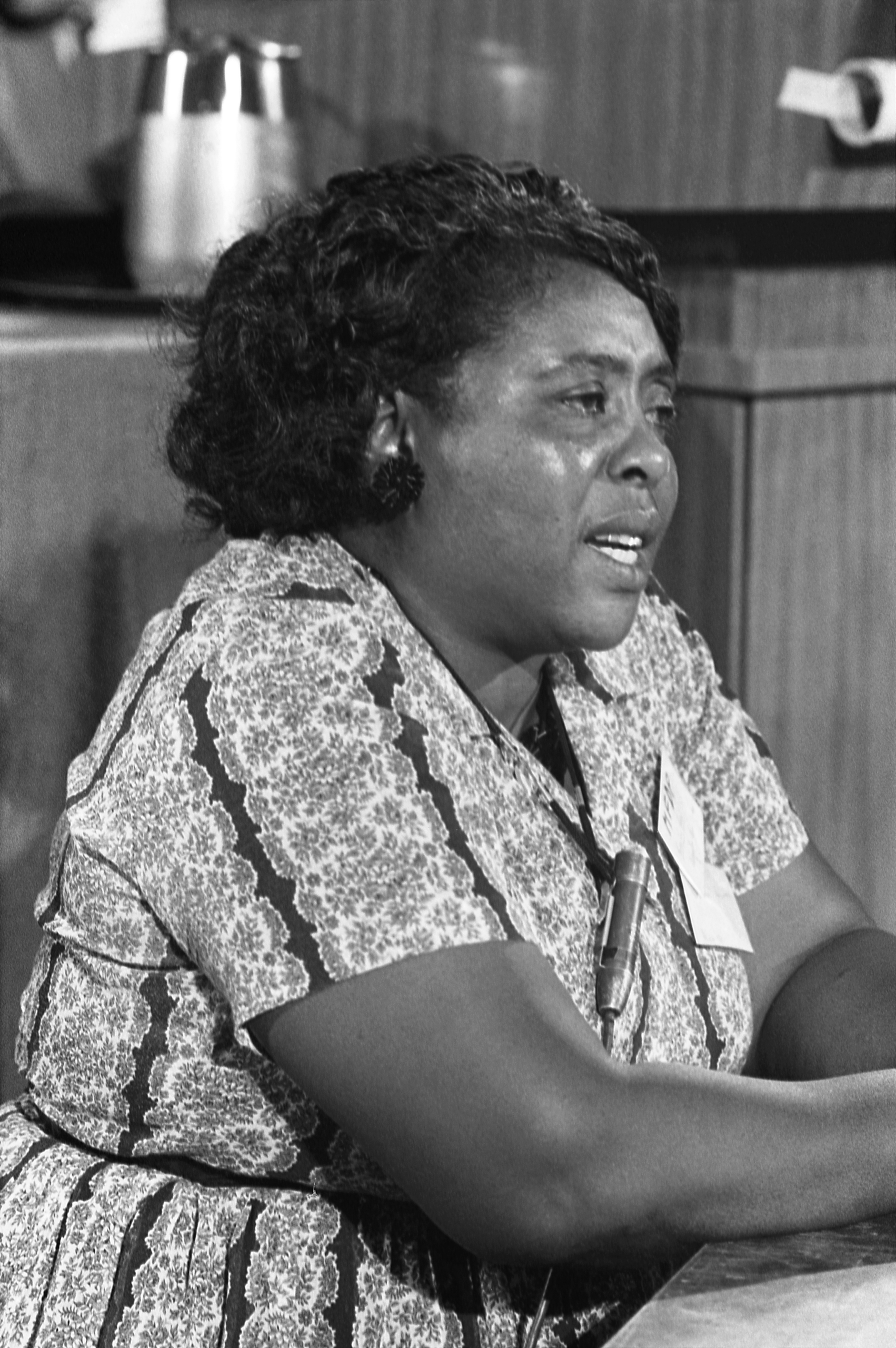
Fannie Lou Hamer
Fannie Lou Hamer was a voting rights activist and co-founder of the Mississippi Freedom Democratic Party who challenged the exclusion of Black voters at the 1964 Democratic National Convention. After attempting to register to vote, she was brutally beaten in jail, leaving her with permanent injuries and long-term health complications, and she had earlier been subjected to forced sterilization without her consent. Hamer lived with the lasting physical impacts of racial violence and continued organizing despite chronic pain.
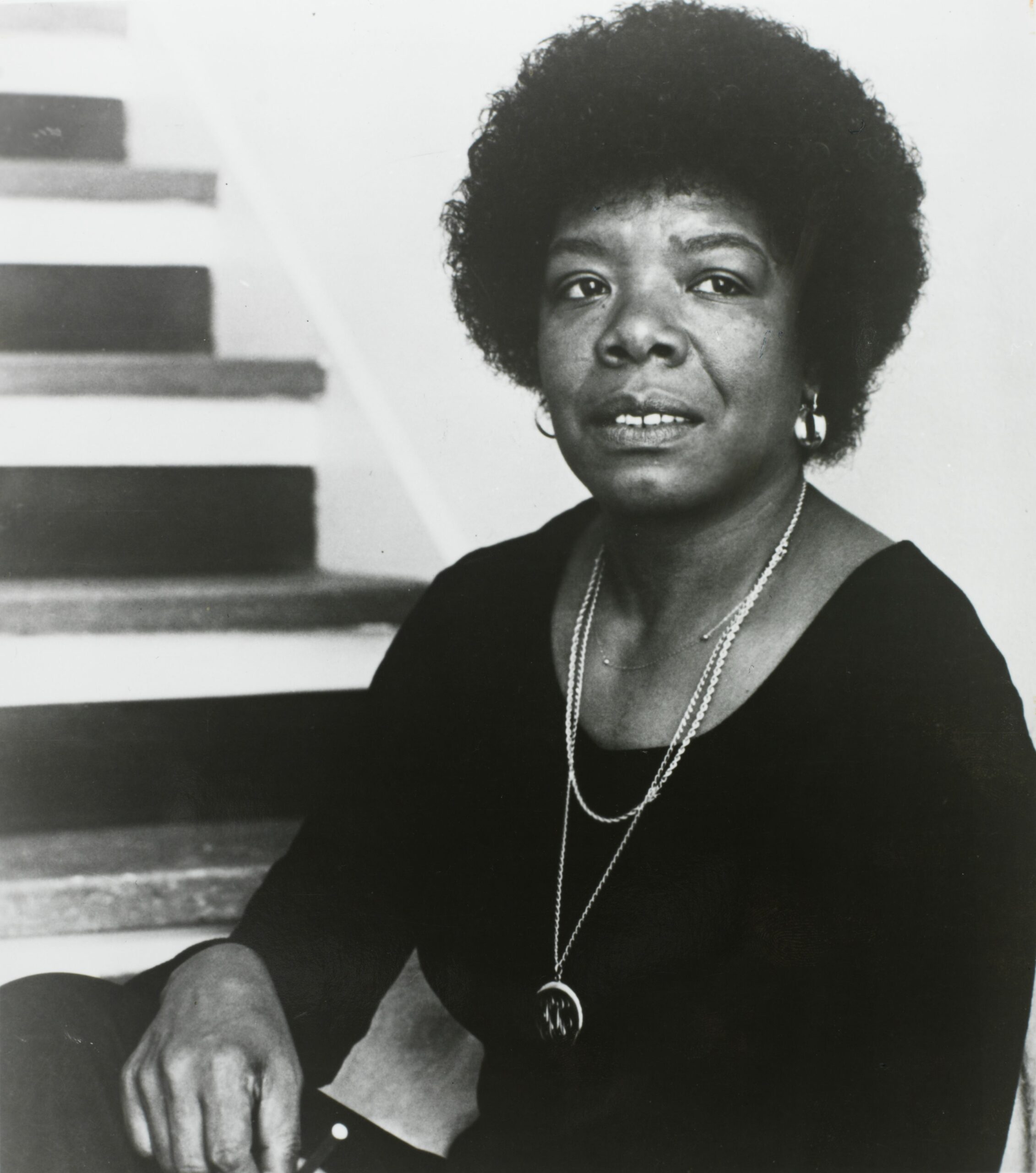
Maya Angelou
Maya Angelou was a poet, memoirist, and civil rights activist whose work reshaped American literature and amplified Black voices globally. As a child, she experienced trauma that led to years of selective mutism, a period she later described as transformative in developing her deep love of language and observation. Though she did not frame this experience in modern disability terms, her early lived experience with trauma and mutism shaped the writer and speaker she became. Her story opens how we understand disability within Black history – not as a limitation, but as a lived experience that massively impacts culture and society.
Audre Lorde
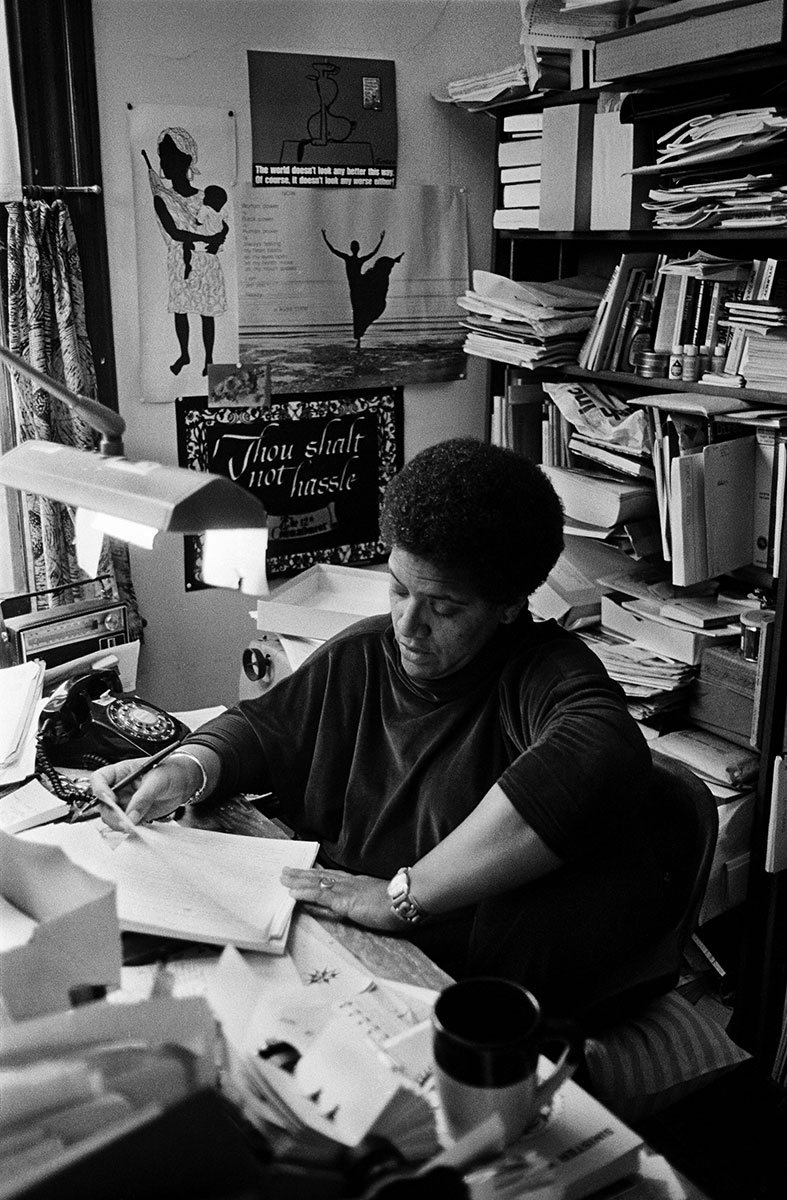
Audre Lorde was a poet, essayist, and Black feminist scholar whose work shaped conversations about race, gender, sexuality, and power. After being diagnosed with breast cancer, she wrote openly about illness and survival in The Cancer Journals, refusing shame and challenging the expectation that women remain silent about their bodies. Lorde treated illness as something political, connected to systems of inequality and visibility. By speaking candidly about living with cancer, she expanded how we understand disability and chronic illness within Black history.
Willie O’Ree
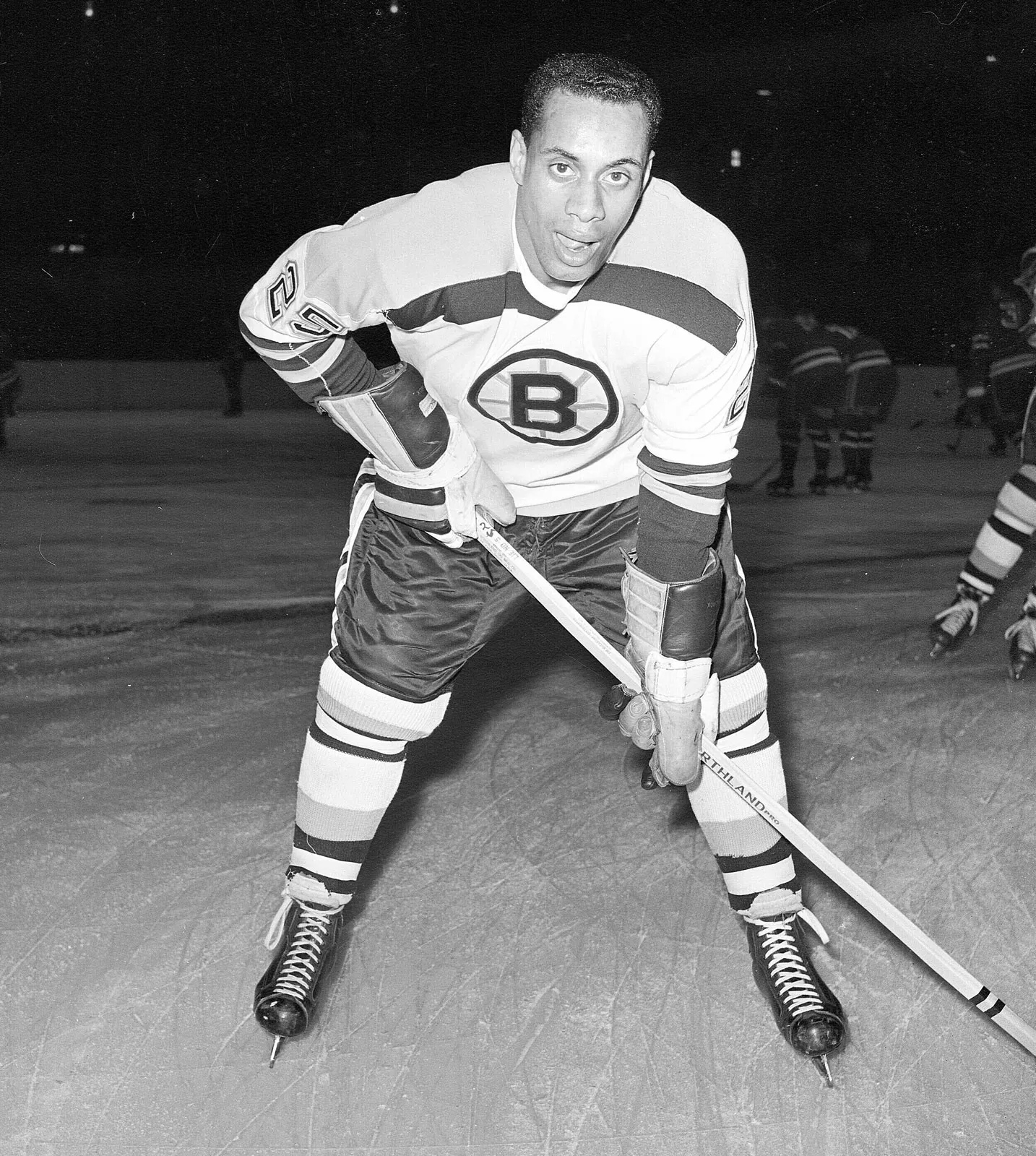
Willie O’Ree is best known as the first Black player in the NHL, breaking the league’s colour barrier in 1958 with the Boston Bruins. What many people don’t realize is that he played most of his professional career legally blind in one eye after a hockey injury left him with only partial vision. O’Ree kept his blindness largely private at the time in order to continue competing. His legacy challenges assumptions about who belongs in elite athletics and what disability can look like in high-performance, fast paced environments.
Barbara Jordan
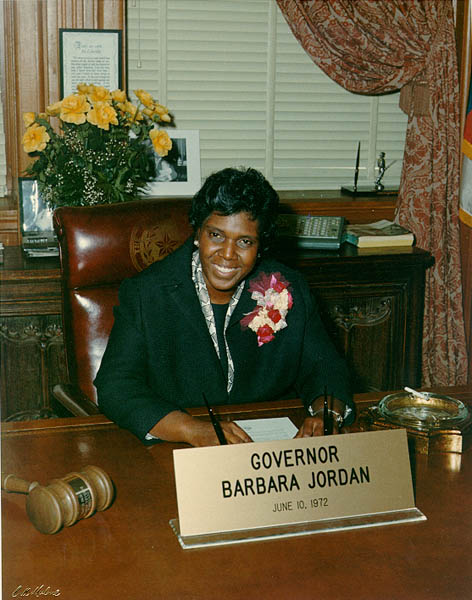
Barbara Jordan was a lawyer, educator, and the first Black woman elected to the U.S. Congress from the South, widely respected for her powerful voice during the Watergate hearings. Later in life, she lived with multiple sclerosis, eventually using a wheelchair while continuing her work in public service and academia. Jordan did not center disability in her public identity, but she led at the highest levels of government while navigating a progressive condition. Her presence in political leadership challenges narrow ideas of who is seen as powerful.
Johnnie Lacy
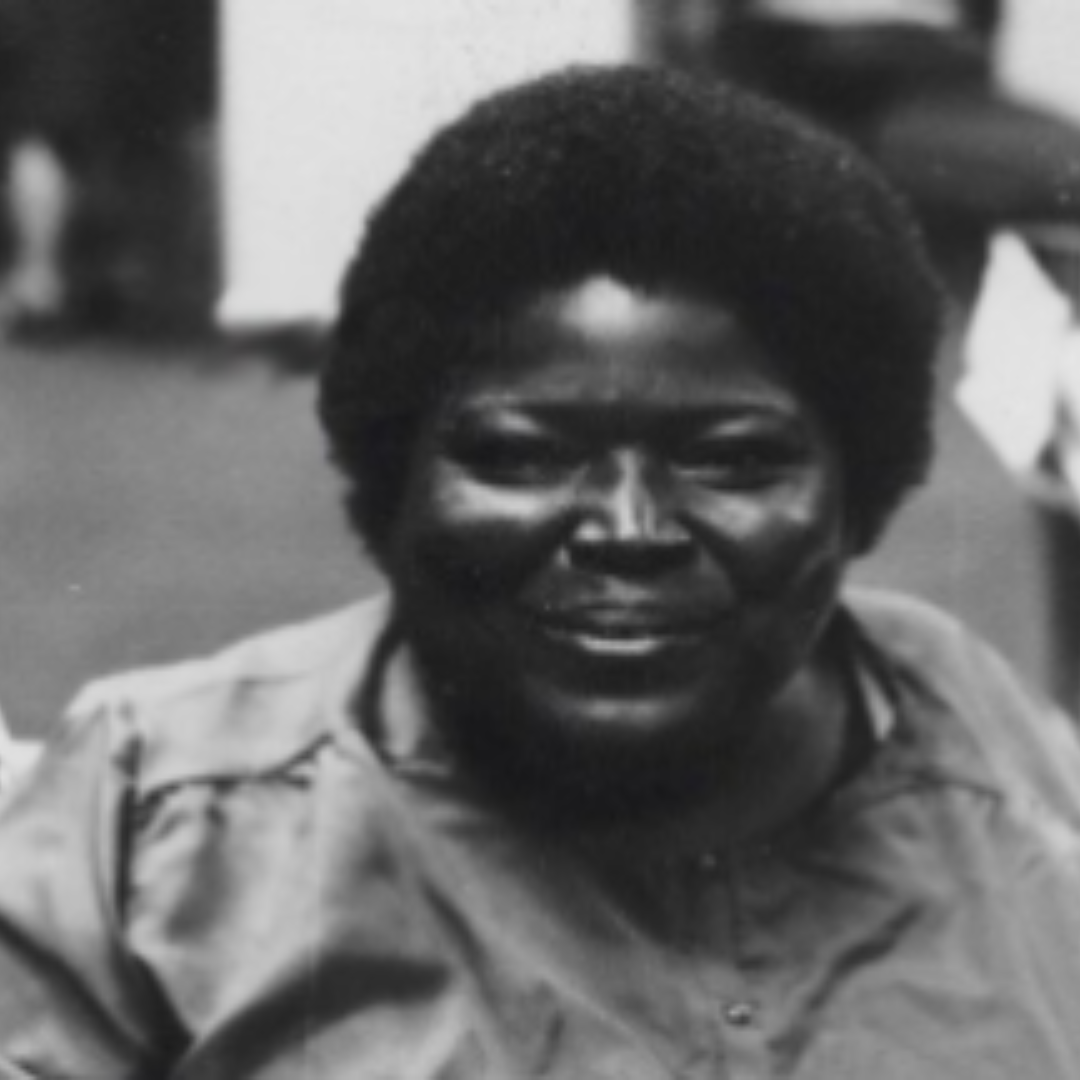
Johnnie Lacy was a disability rights activist and one of the early leaders of the Independent Living Movement. After contracting polio as a child, she became a wheelchair user and later helped lead the Berkeley Center for Independent Living, advocating for accessible transportation, housing, and community-based support. As a Black disabled woman, Lacy challenged both racial and disability discrimination, pushing for systems that centered independence and dignity. Her leadership helped lay the foundation for modern disability rights organizing and expanded representation within the movement.
Pat Parker
Pat Parker was a Black lesbian feminist poet and activist who lived with breast cancer. Parker wrote and organized while navigating serious health challenges, bringing visibility to illness within activist spaces. Her lived experience with cancer informed her work and her insistence that marginalized bodies deserve adequate care, dignity, and political voice. Her legacy expands how we understand disability and chronic illness within Black feminist history.
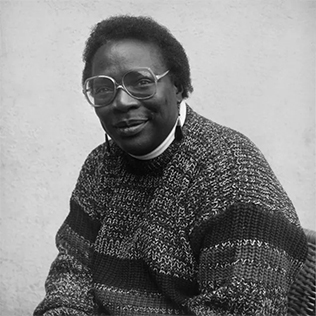
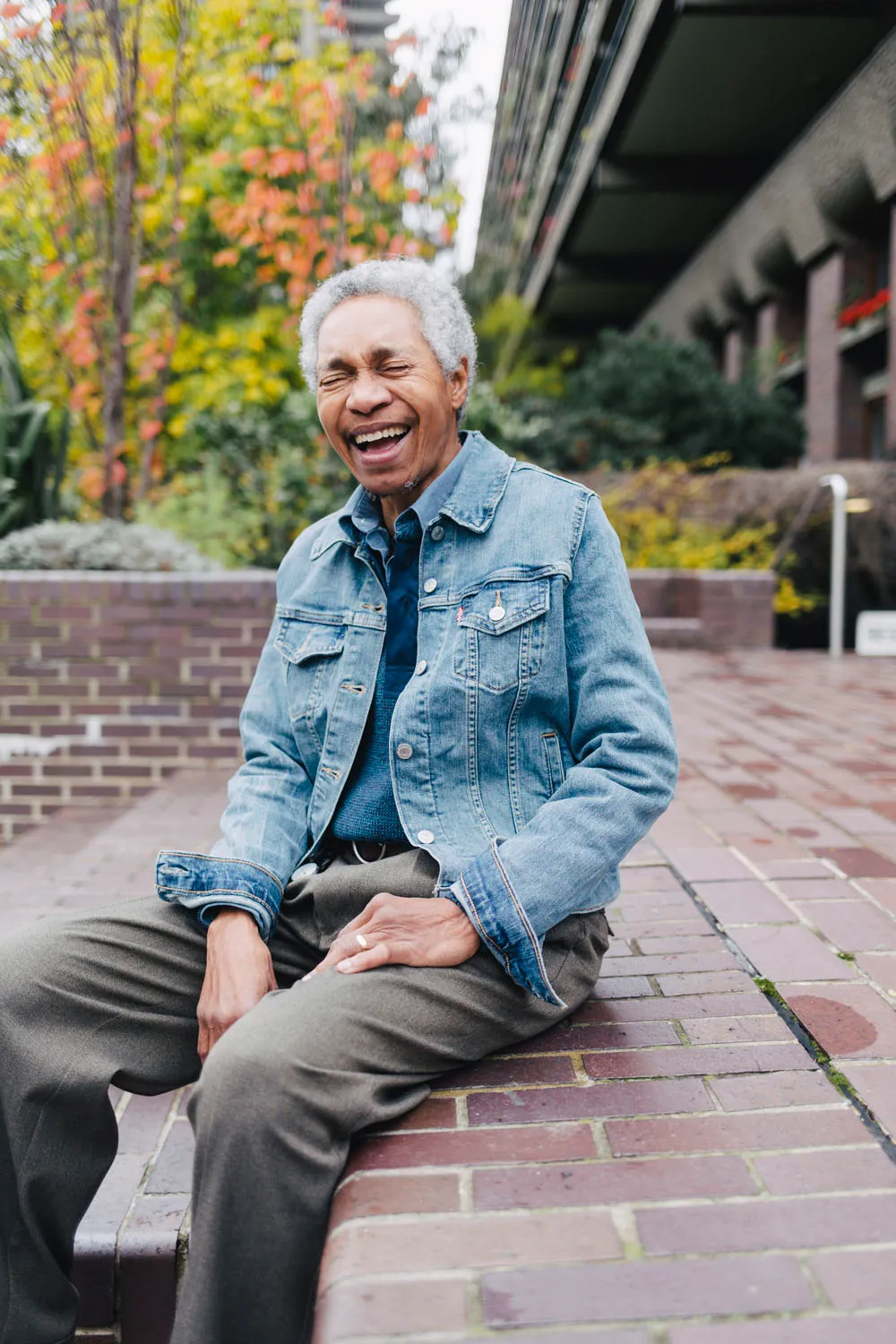
Beverly Glenn-Copeland
Beverly Glenn-Copeland is a Canadian singer, composer, and transgender artist whose genre-defying music gained global recognition decades after its original release. In recent years, he has spoken publicly about living with dementia, adding another layer to his story of resilience and creative legacy. His openness about aging, memory loss, and vulnerability challenges stigma around cognitive disability, particularly within Black and trans communities. Glenn-Copeland’s life and work expand how we understand disability, artistry, and identity as deeply interconnected parts of Black cultural history.
Black Panther Party
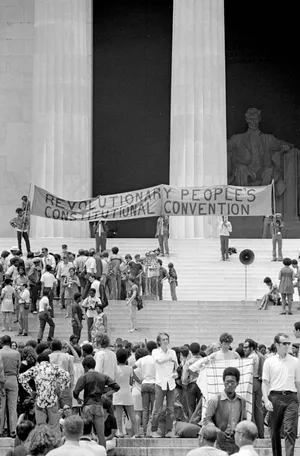
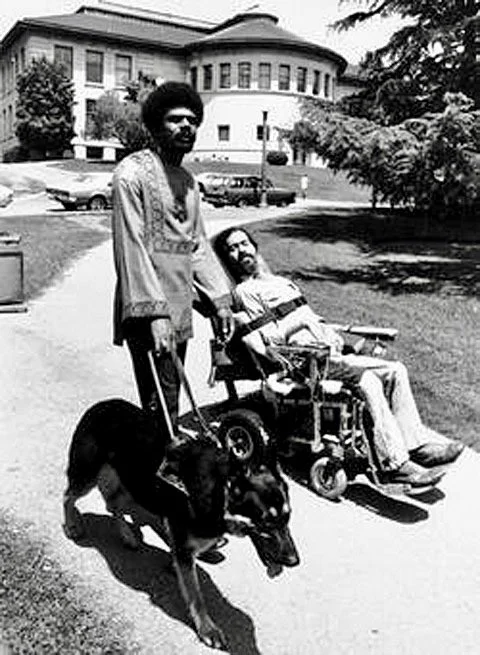
The Black Panther Party was a revolutionary political organization founded in 1966 that advanced Black liberation through community programs, political education, and resistance to police brutality. Beyond their broader impact, the Panthers played a critical role in disability history by supporting disabled activists during the 1977 504 Sit-In, providing food and resources to protesters occupying federal buildings. Their solidarity – particularly through members like Brad Lomax – demonstrated how Black liberation and disability rights movements intersected.
Brad Lomax
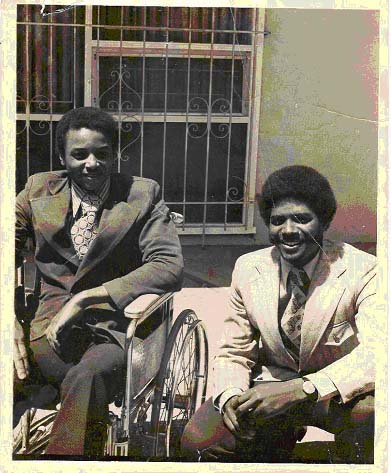
Brad Lomax (left) was a disability rights activist and member of the Black Panther Party who played a pivotal role in the 1977 504 Sit-In, a landmark protest demanding enforcement of federal disability anti-discrimination protections. Living with multiple sclerosis and using a wheelchair, Lomax bridged Black liberation organizing and the disability rights movement, helping secure support from the Black Panthers for the protesters. His leadership highlighted the intersection of race and disability, showing that access and civil rights are deeply connected struggles. Lomax’s legacy remains central to understanding cross-movement solidarity in Black disability history.
Jennifer Lewis
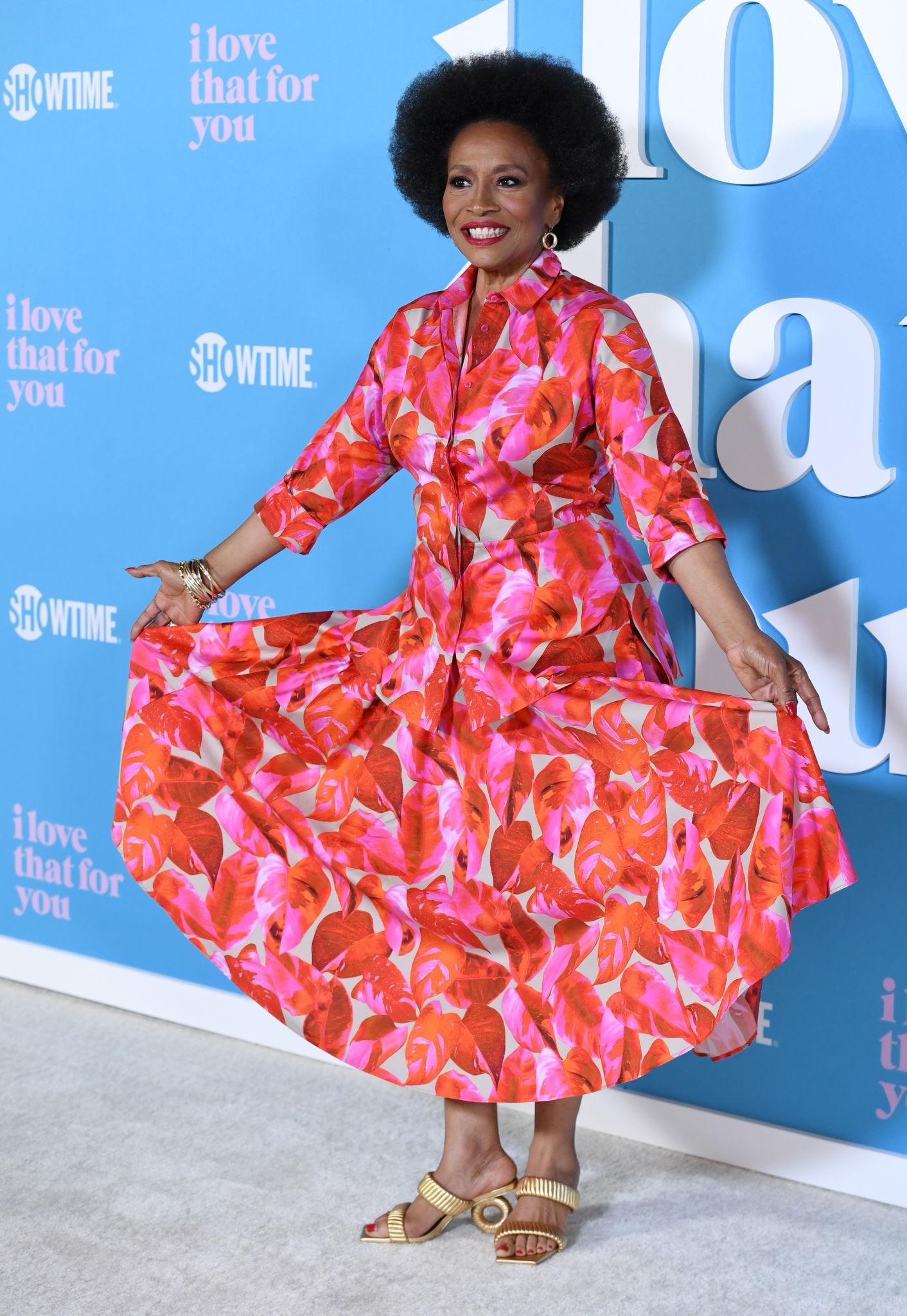
Jennifer Lewis is an acclaimed actress and singer known for her roles in film, television, and Broadway. She has spoken openly about living with bipolar disorder, using her platform to challenge stigma around mental health in her community. By sharing her diagnosis publicly, Lewis has helped normalize conversations about mental health and the importance of treatment and self-care. Her visibility as a successful Black woman in entertainment while navigating bipolar disorder makes her an important figure in contemporary Black disability history.
Jazzie Collins
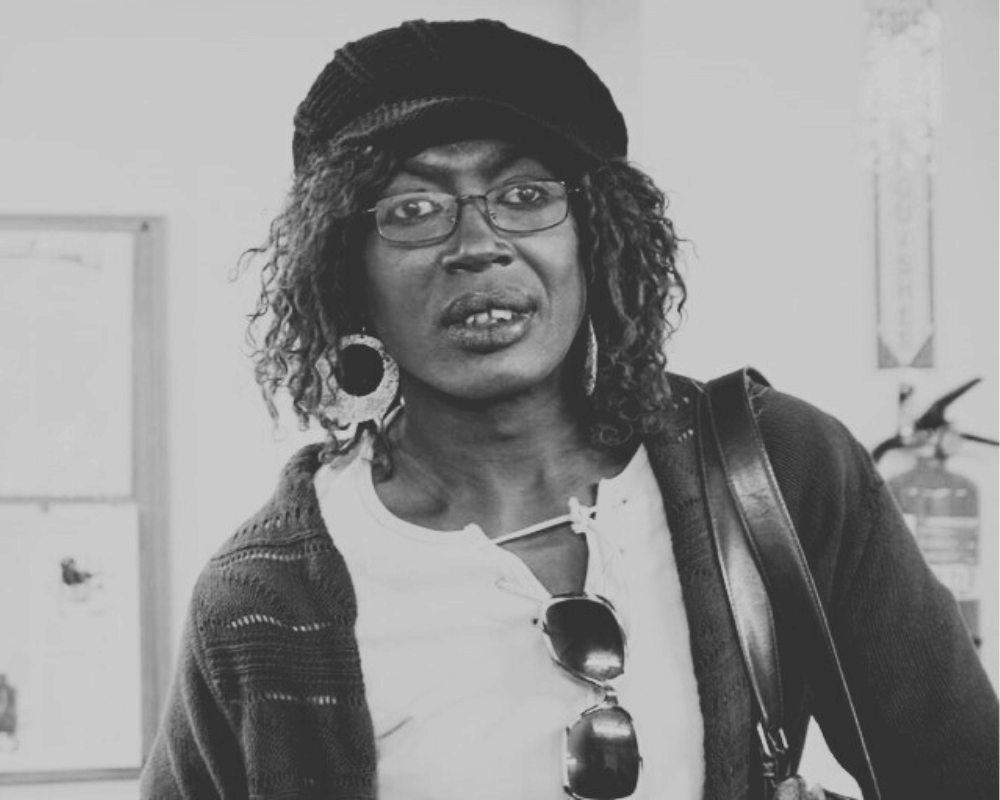
Jazzie Collins is a community organizer and activist known for advocating for low-income seniors and disabled residents in Los Angeles. Living with disabilities herself, she organized tenants and fought against utility shutoffs that disproportionately affected disabled and elderly people, helping expose systemic neglect and economic injustice. Collins’ work centered the realities of poverty, race, aging, and disability, showing how access to basic services is a civil rights issue. Her leadership reflects grassroots disability justice in action – grounded in community survival and collective power.
Lois Curtis
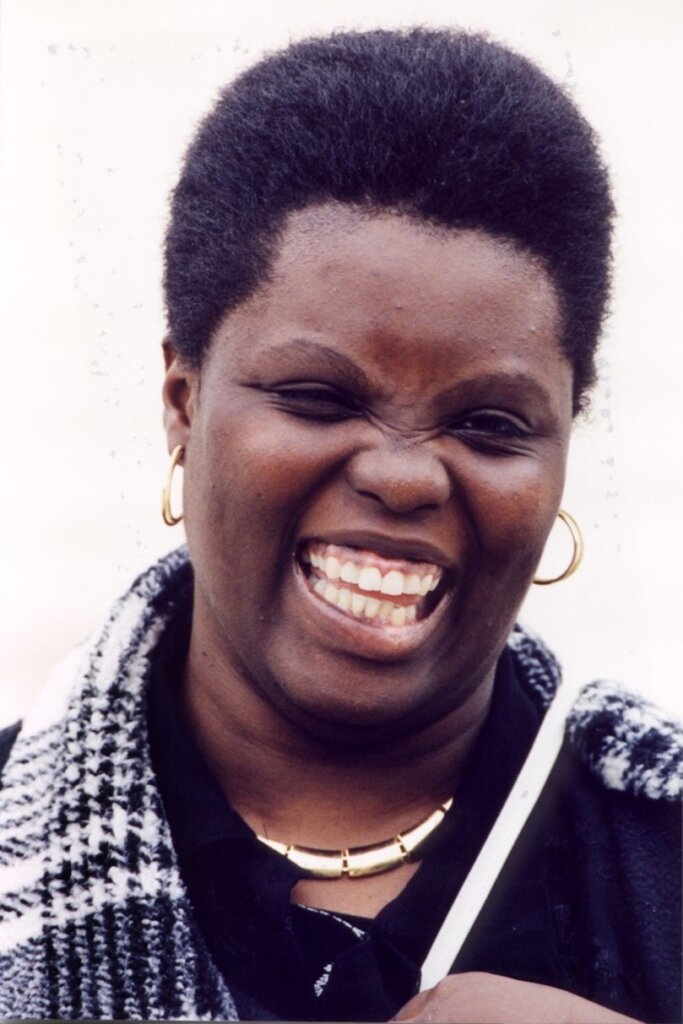
Lois Curtis was a disability rights activist whose name became central to the landmark U.S. Supreme Court case Olmstead v. L.C., which affirmed the right of disabled people to live in their communities rather than being confined to institutions. A Black woman with schziophrenia and developmental disabilities, Curtis spent years institutionalized before successfully challenging unnecessary segregation. The 1999 ruling reshaped disability law and expanded community-based living rights across the United States. Her courage not only transformed policy but also affirmed that disabled people (particularly Black disabled women) have the right to autonomy, dignity, and full participation in society. After her reentering society, she worked as a visual artist.
Leroy F. Moore Jr.
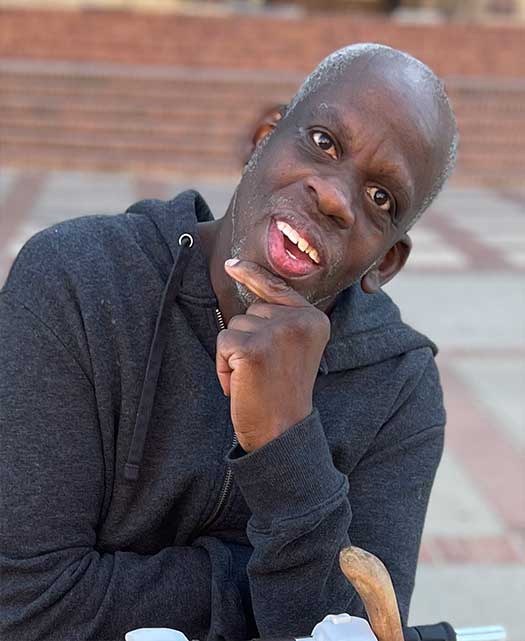
Leroy F. Moore Jr. is a writer, poet, and disability justice activist best known as the founder of Krip-Hop Nation, a global movement amplifying disabled musicians and artists of color. As a Black man with cerebral palsy, Moore has consistently challenged racism within disability spaces and ableism within Black and cultural spaces, pushing for intersectional representation in media, music, and activism. Through his organizing, writing, and performance, he has created platforms for disabled artists to tell their own stories.
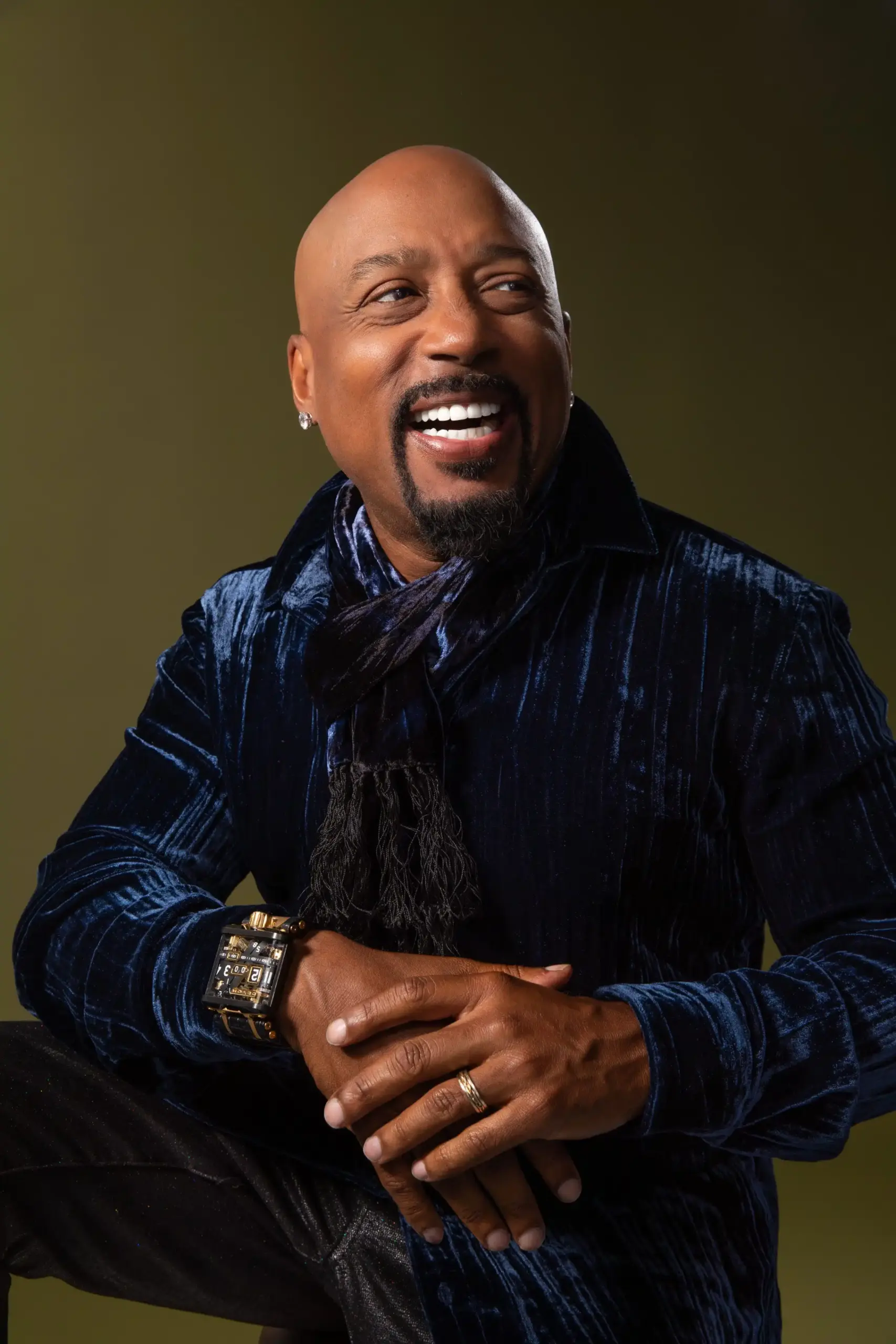
Daymond John
Daymond John is an entrepreneur, investor, and founder of the global fashion brand FUBU, widely recognized as a longtime investor on Shark Tank. He has spoken openly about living with dyslexia, describing how traditional schooling was challenging but how he developed alternative ways of thinking that fueled his creativity and business strategy. Rather than seeing dyslexia as a limitation, John reframed it as part of what made him innovative and resilient. His story opens conversations about neurodivergence within Black entrepreneurship and challenges narrow ideas about intelligence, success, and leadership.
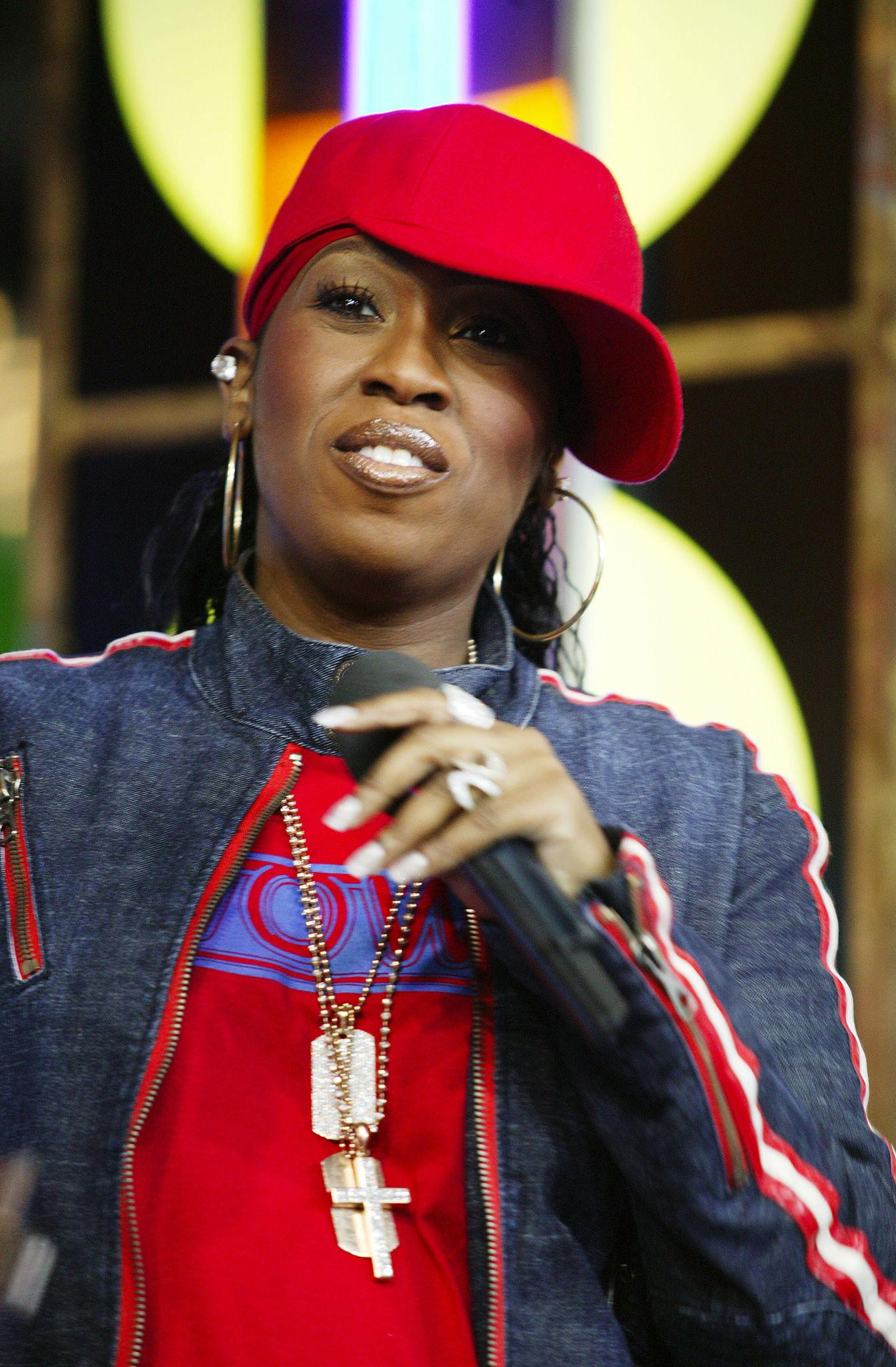
Missy Elliott
Missy Elliott is a groundbreaking rapper, producer, and songwriter who transformed hip-hop with her futuristic visuals and creativity. After being diagnosed with Graves’ disease in 2008, an autoimmune thyroid condition, she stepped back from the spotlight to manage her health before returning to music on her own terms. By speaking publicly about her diagnosis, Elliott helped reduce stigma around chronic illness, particularly within the Black community. Her career reflects how talent, innovation, and disability can coexist
Claudia Gordon
Claudia Gordon is an attorney and policy advisor recognized as the first Deaf Black woman lawyer in the United States. Born in Jamaica and raised in the U.S., she has worked at the White House and the U.S. Department of Labor, advocating for disability employment, accessible technology, and inclusive public policy. As a Deaf professional navigating predominantly hearing and non-Black institutions, Gordon has broken barriers while mentoring and uplifting others. Her career represents progress at the intersection of race, disability, and leadership in law and government.
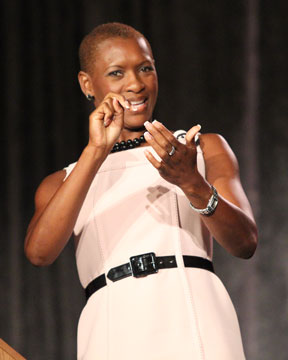
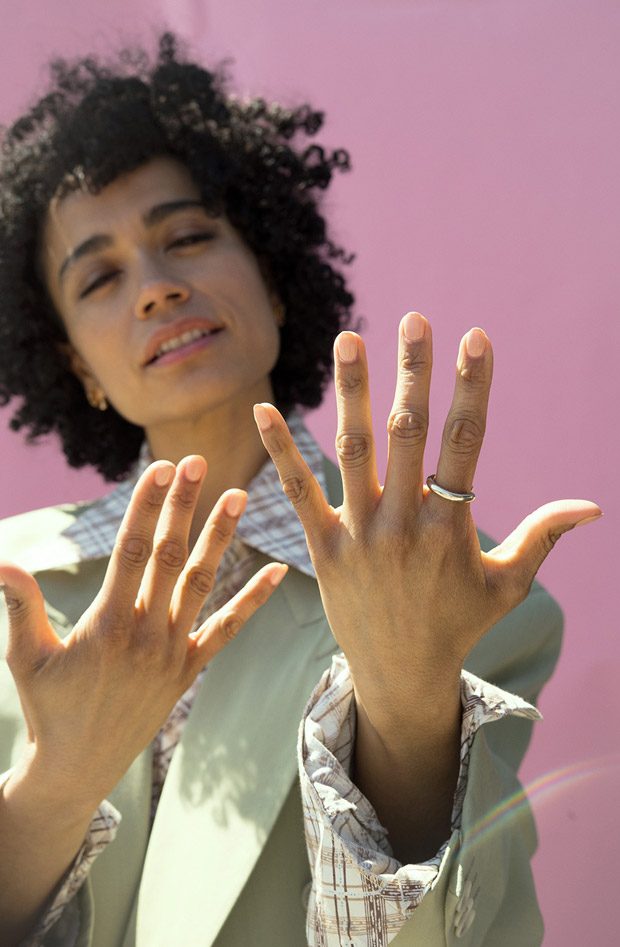
Lauren Ridloff
Lauren Ridloff is a Deaf actress and former teacher who has reshaped representation in film and television through roles in The Walking Dead and Marvel’s Eternals. As a Deaf performer using American Sign Language on major mainstream platforms, she has expanded visibility for Deaf actors in spaces that have historically excluded them. Ridloff has spoken about the importance of authentic casting and accessibility in the entertainment industry. Her presence challenges industry norms and reinforces that Deaf and disabled talent belongs at the center of storytelling.
Haben Girma
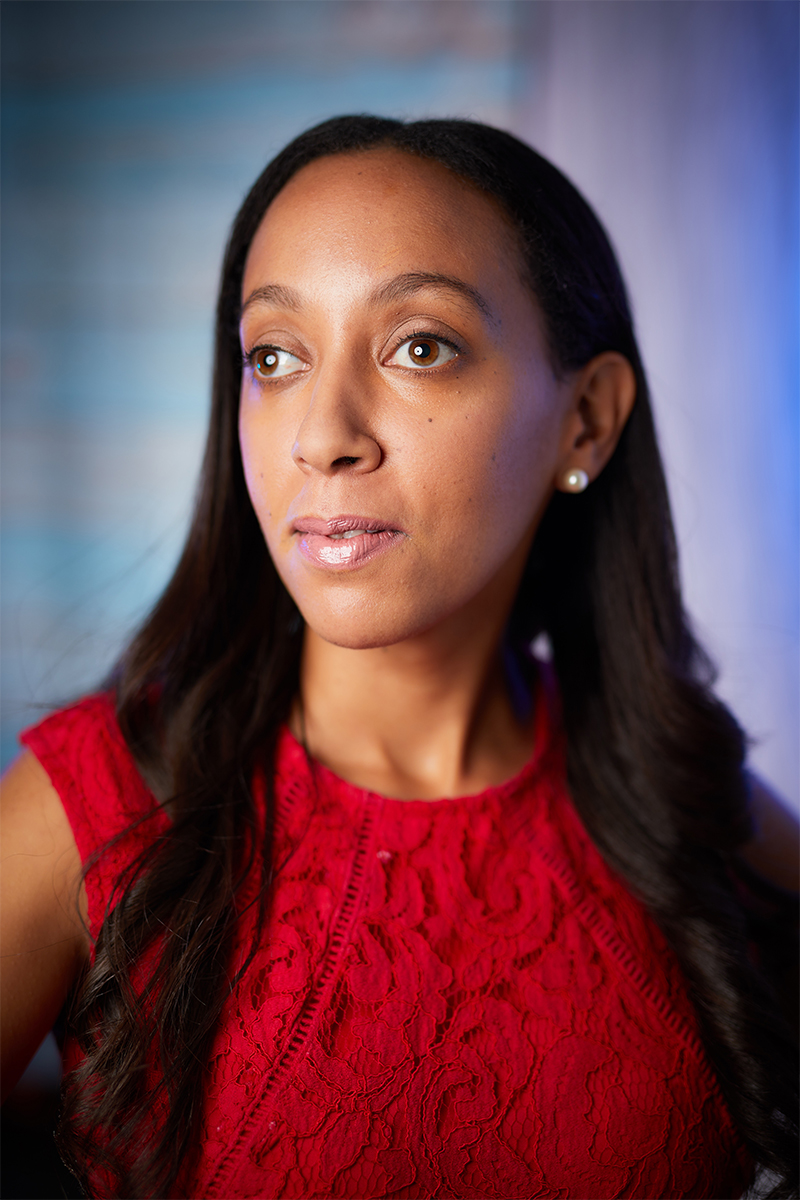
Haben Girma is a disability rights lawyer and the first Deafblind person to graduate from Harvard Law School. She has advocated globally for accessible technology, education, and equal opportunity, working with major corporations and policymakers to advance digital inclusion. Using assistive technology to communicate, Girma challenges assumptions about communication, independence, and leadership. Her work places accessibility at the center of innovation and policy, making her a leading voice in modern Black disability justice.
Simone Biles
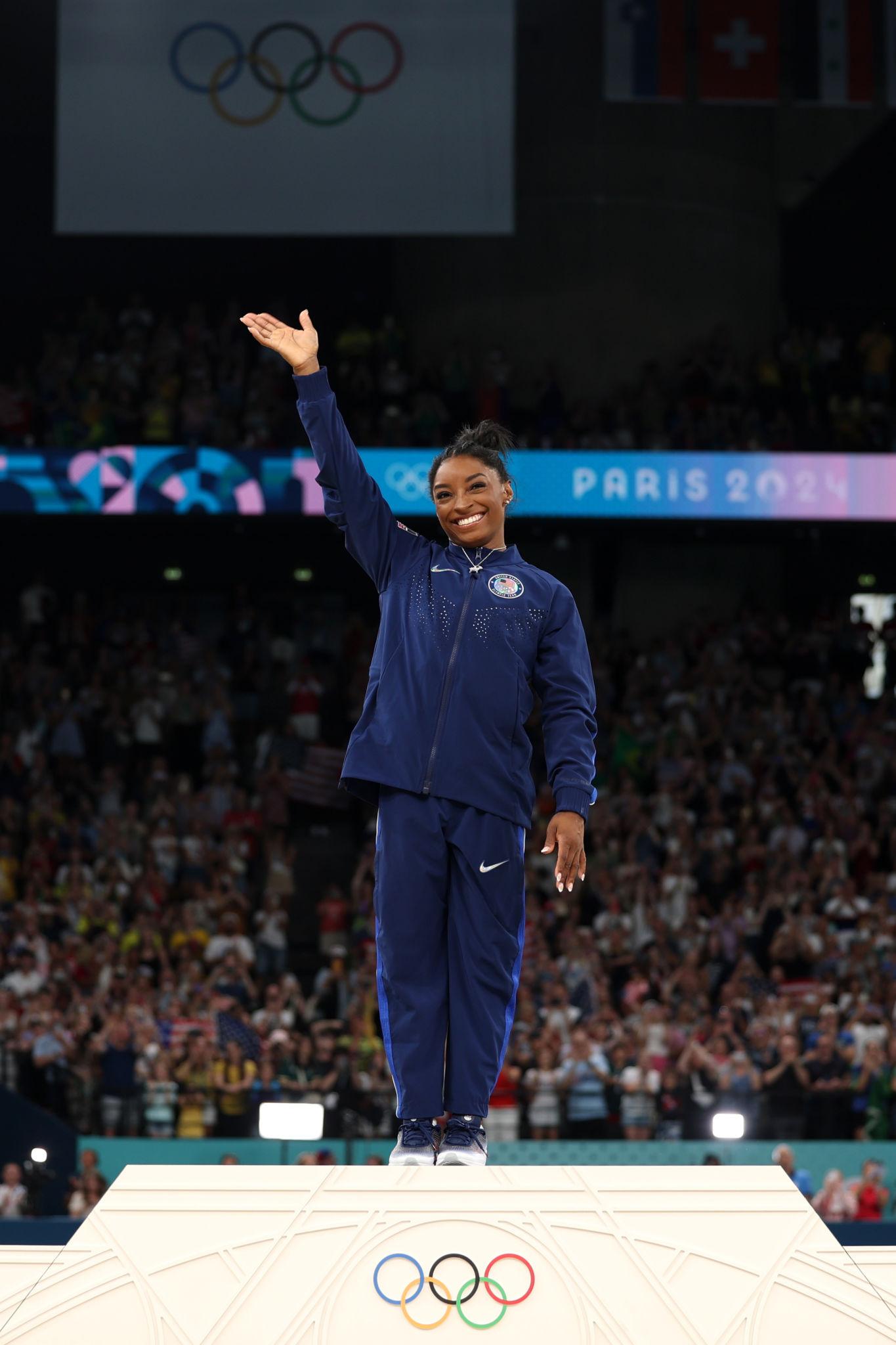
Simone Biles is one of the most decorated gymnasts in history, redefining excellence in the sport with record-breaking performances and skills named after her. She has spoken openly about living with ADHD and about prioritizing her mental health, most notably when she stepped back from Olympic events to protect her well-being. By publicly acknowledging neurodivergence and mental health in elite athletics, Biles has helped shift conversations around pressure, performance, and self-advocacy.
Aaron Rose Philip
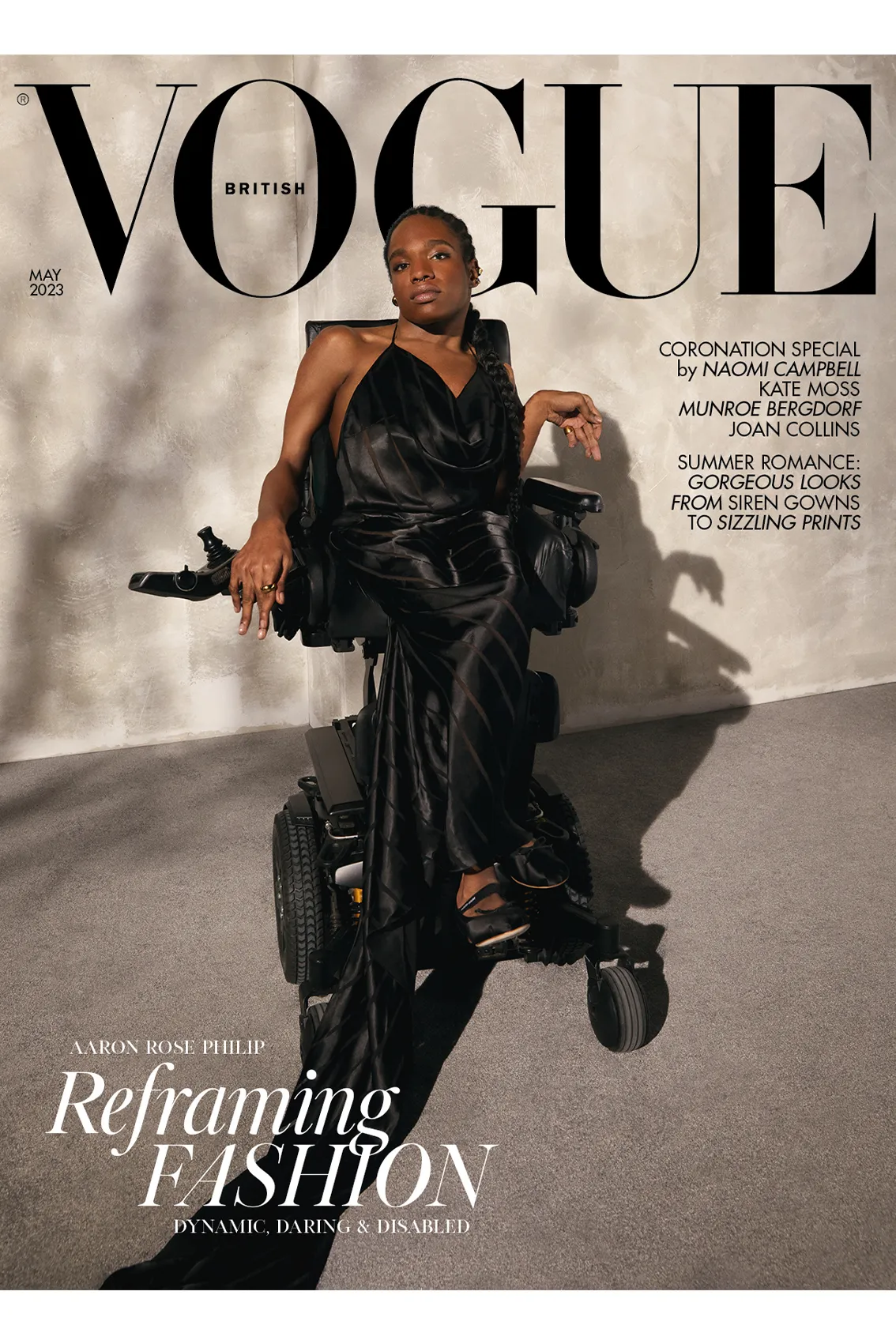
Aaron Rose Philip is a model and activist who became one of the first Black, transgender models who uses a wheelchair to be signed to a major modeling agency. Living with cerebral palsy, she has used her platform to advocate for disability inclusion and trans representation within the fashion industry. By occupying spaces that have historically excluded disabled and trans bodies, Philip challenges narrow beauty standards and expands visibility for multiply marginalized identities. Her presence in high fashion marks a significant shift toward more inclusive representation in media and culture.
Imani Barbarin
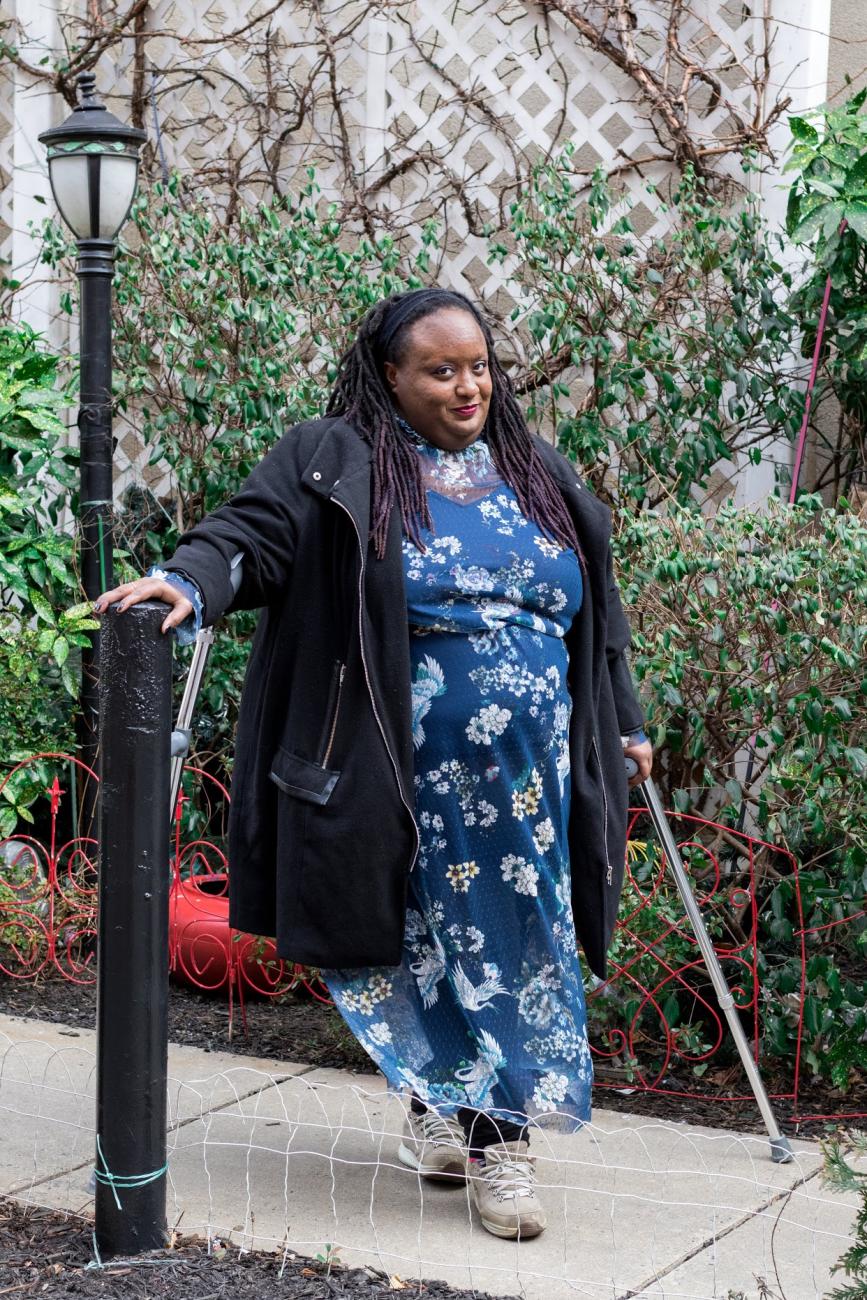
Imani Barbarin is a disability rights activist, writer, and public speaker known for her platform Crutches & Spice, where she addresses ableism, racism, and media representation. A Black woman with cerebral palsy, Barbarin uses digital storytelling and cultural critique to challenge how disability is portrayed and politicized. She has been a prominent voice during public health crises and social justice movements, calling attention to how policies disproportionately impact disabled communities. Her work bridges online advocacy and real-world impact, making her a leading voice in contemporary Black disability justice.
Keah Brown
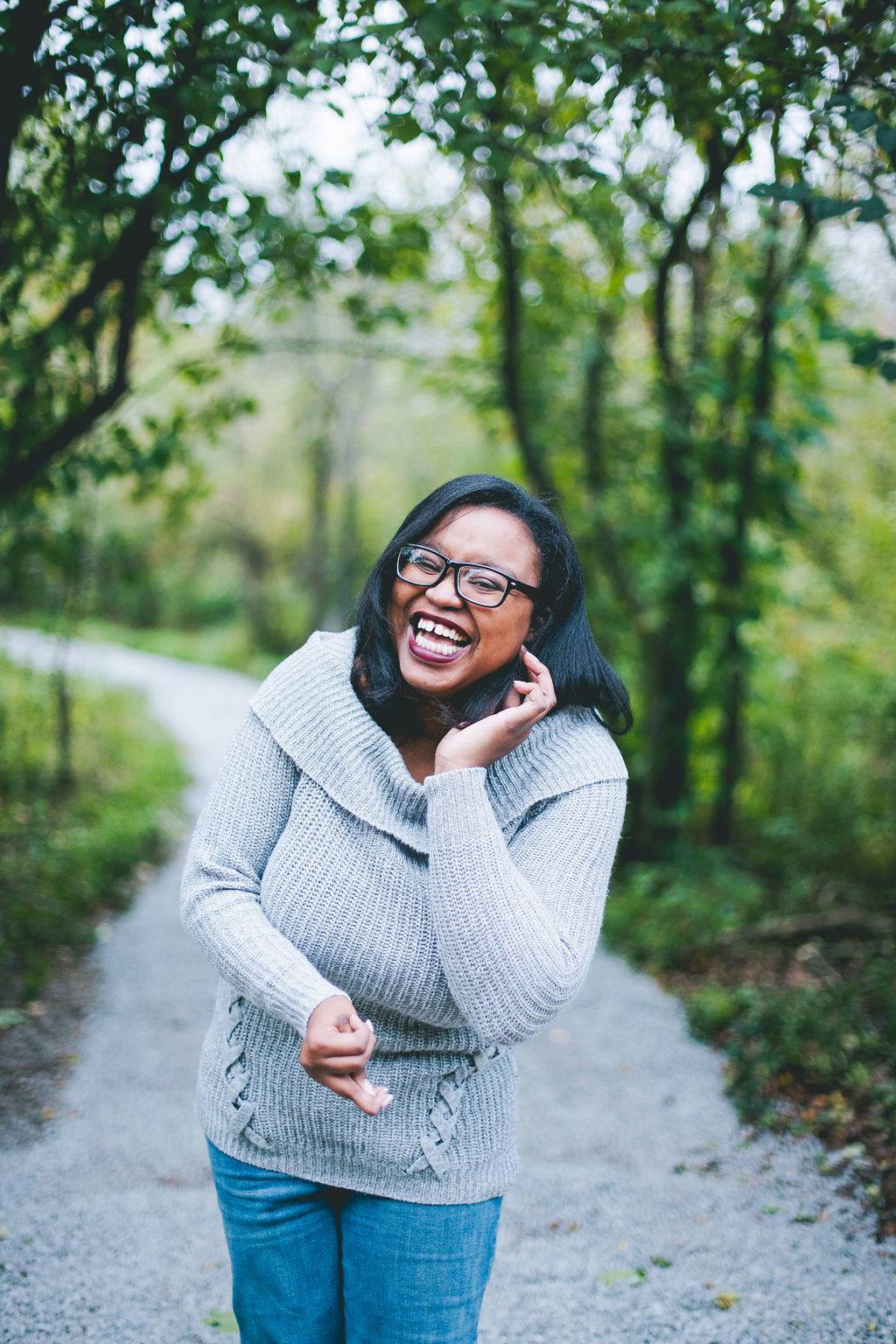
Keah Brown is a writer, journalist, and creator of the viral hashtag #DisabledAndCute, a movement celebrating self-love and visibility for disabled people. A Black woman with cerebral palsy, Brown has used her platform and her memoir The Pretty One to challenge stereotypes about beauty, desirability, and independence. Her work centers joy and confidence rather than pity, reshaping how disabled Black women are seen in media and culture.
Vilissa Thompson
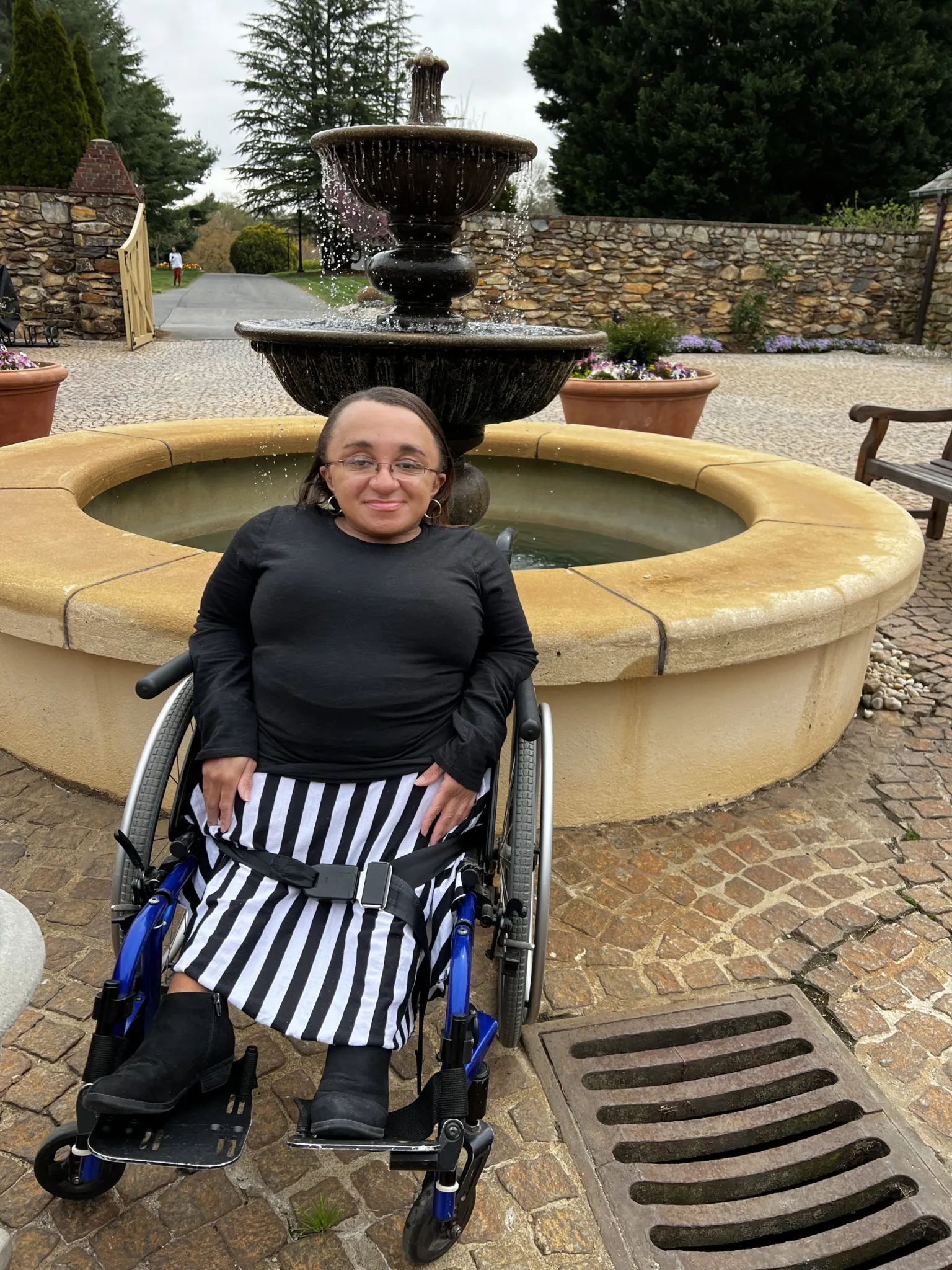
Vilissa Thompson is a disability justice advocate, writer, and founder of Ramp Your Voice!, a platform centering the experiences of Black disabled women and girls. Living with osteogenesis imperfecta, she has consistently challenged the erasure of Black disabled voices within both racial justice and disability movements. Thompson’s work highlights representation in media, reproductive justice, and policy reform, pushing for more inclusive conversations that reflect intersectional realities.
Morénike Giwa Onaiwu
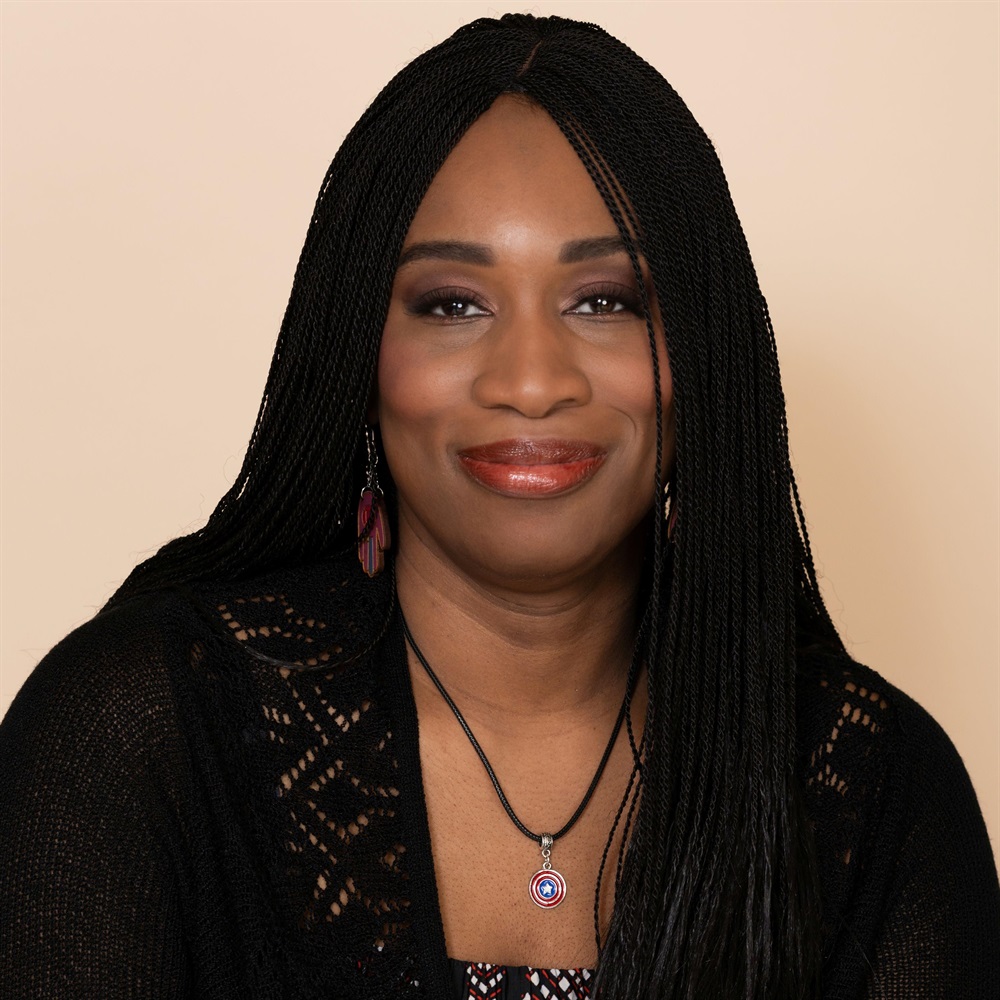
Morénike Giwa Onaiwu is an autistic advocate, writer, and scholar whose work centers the experiences of multiply marginalized people within disability spaces. A Black, autistic woman and mother of autistic children, she has contributed to national policy conversations, research, and storytelling that challenge stereotypes about autism and race. Onaiwu consistently pushes for more inclusive disability advocacy that reflects cultural nuance, gender, and lived experience.
Syrus Marcus Ware
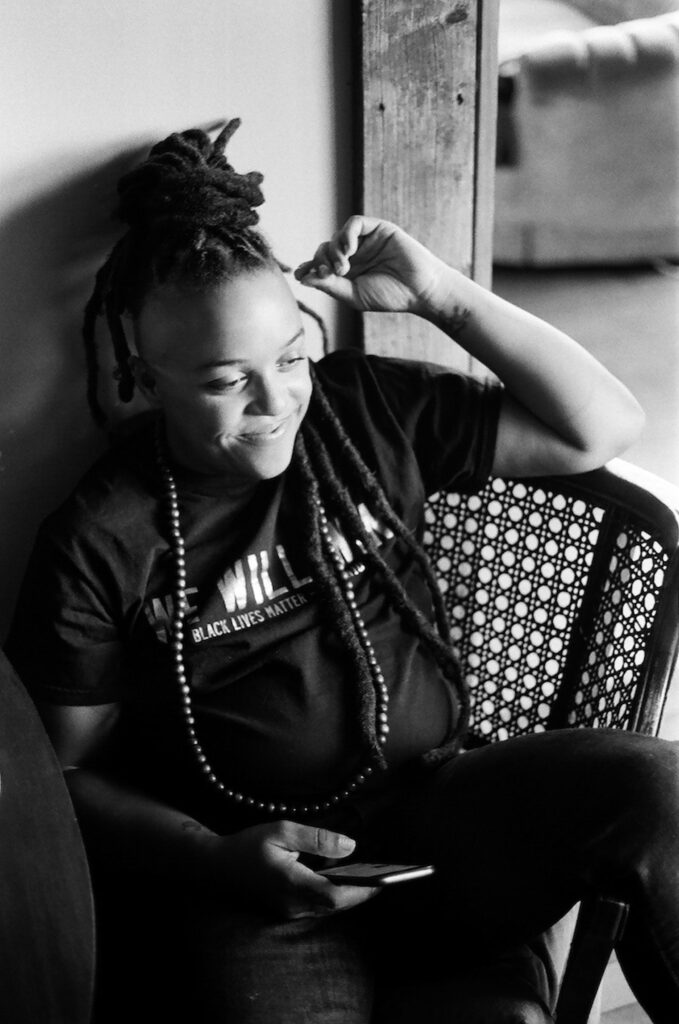
Syrus Marcus Ware is a visual artist, activist, and co-founder of Black Lives Matter Toronto whose work bridges racial justice, queer liberation, and disability justice. Living with chronic illness and disability, Ware has spoken about how access, care, and sustainability must be central to movement-building. His art and organizing challenge systems of policing, incarceration, and exclusion while imagining more accessible futures. By centering disability within Black liberation work, Ware expands what justice looks like and who it must include.
Sarah Jama
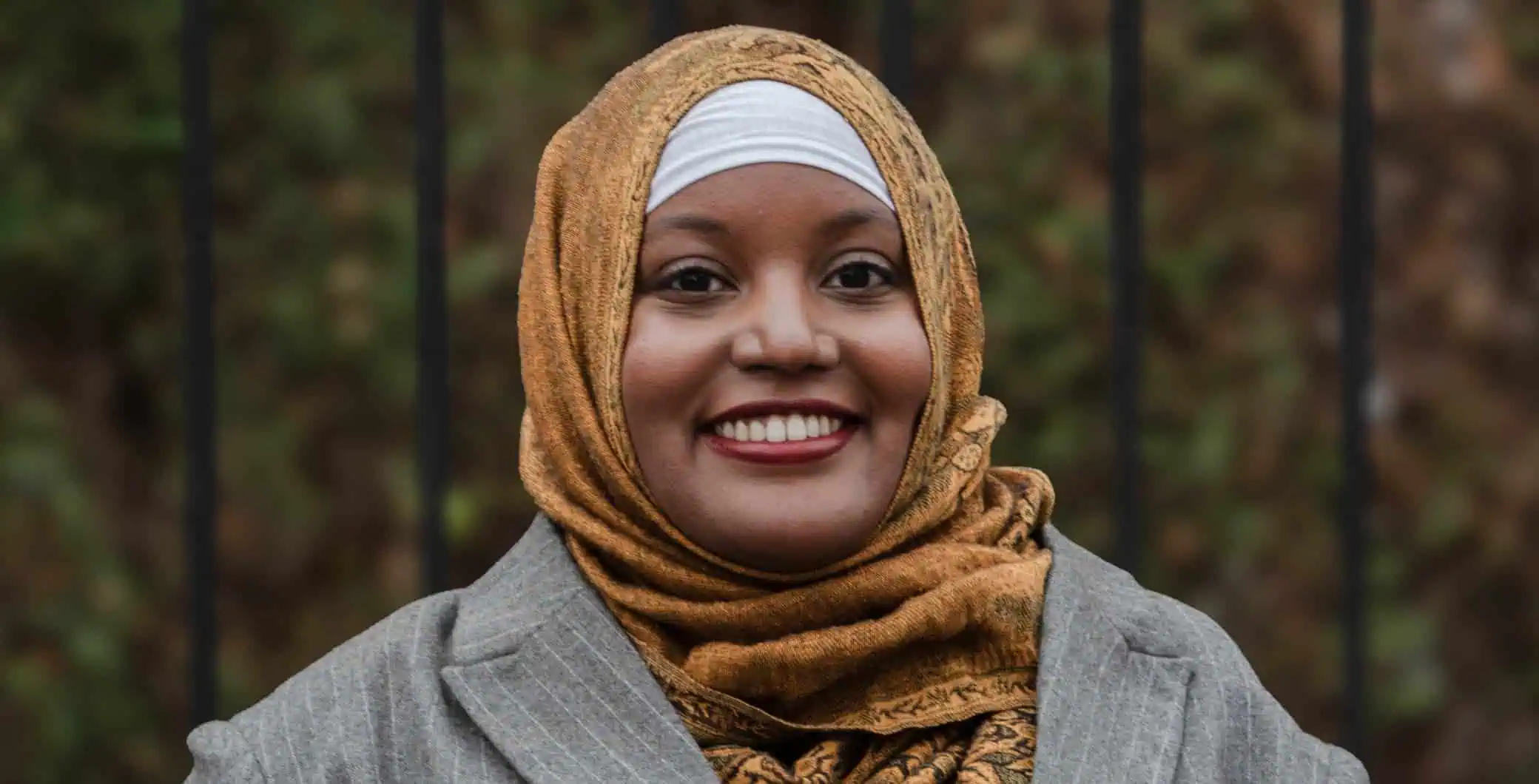
Sarah Jama is a community organizer, former Executive Director of the Disability Justice Network of Ontario (DJNO), and former Member of Provincial Parliament in Ontario. A wheelchair user with cerebral palsy, Jama has consistently centered disability justice, anti-poverty advocacy, and racial equity in her work. She has spoken openly about the structural barriers disabled people face in housing, healthcare, and public policy, using both grassroots organizing and legislative platforms to push for systemic change. Her leadership represents a powerful example of Black disabled advocacy shaping political spaces in Canada.
Laverne Jacobs
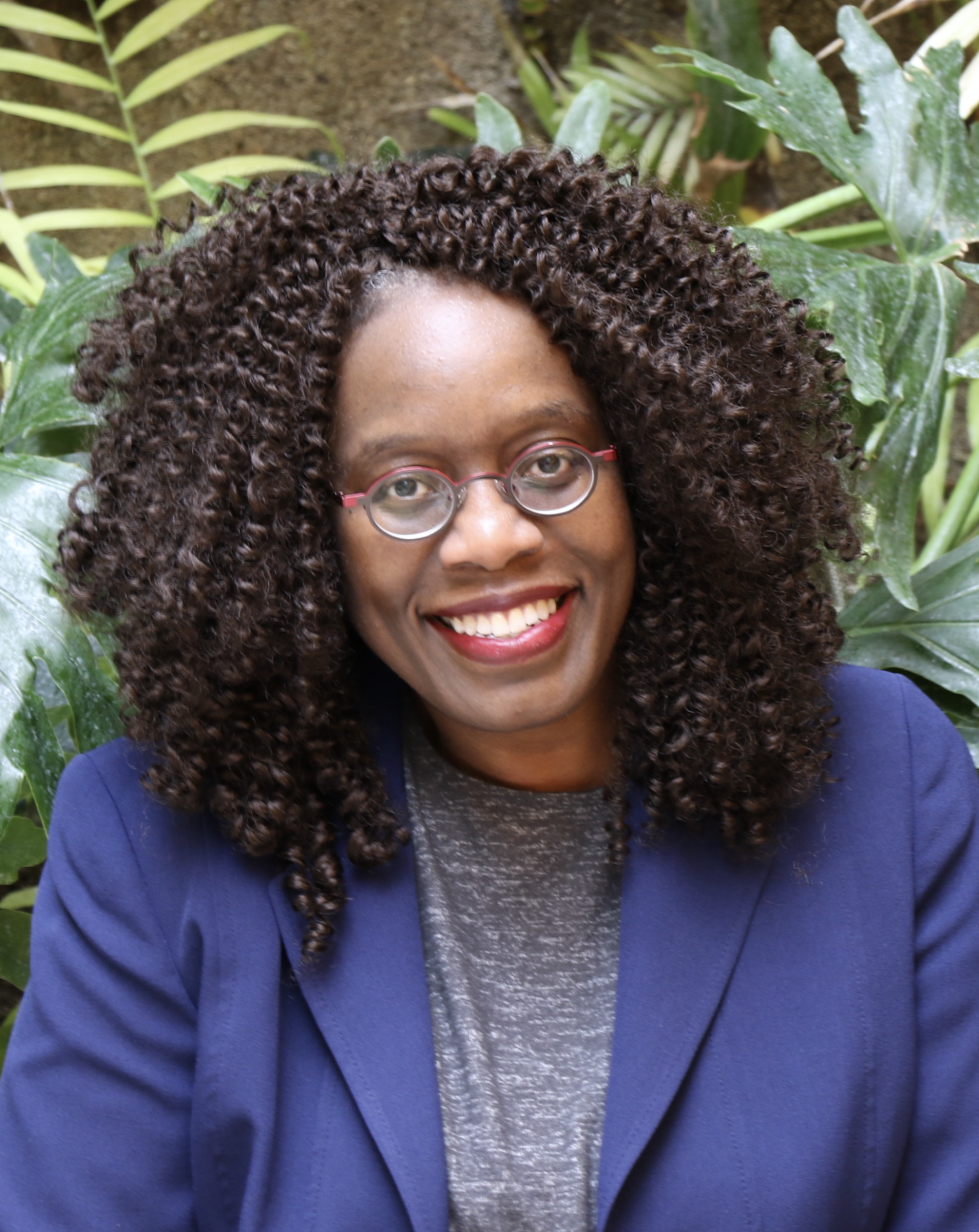
Dr. Laverne Jacobs is a Canadian legal scholar and international disability rights advocate who became Canada’s first member of the United Nations Committee on the Rights of Persons with Disabilities (CRPD). Her work focuses on equality law, human rights, and advancing the implementation of the UN Convention on the Rights of Persons with Disabilities worldwide. Through research, policy development, and global advocacy, Jacobs has helped shape how disability rights are interpreted and enforced across legal systems
Lauren Lolo Spencer
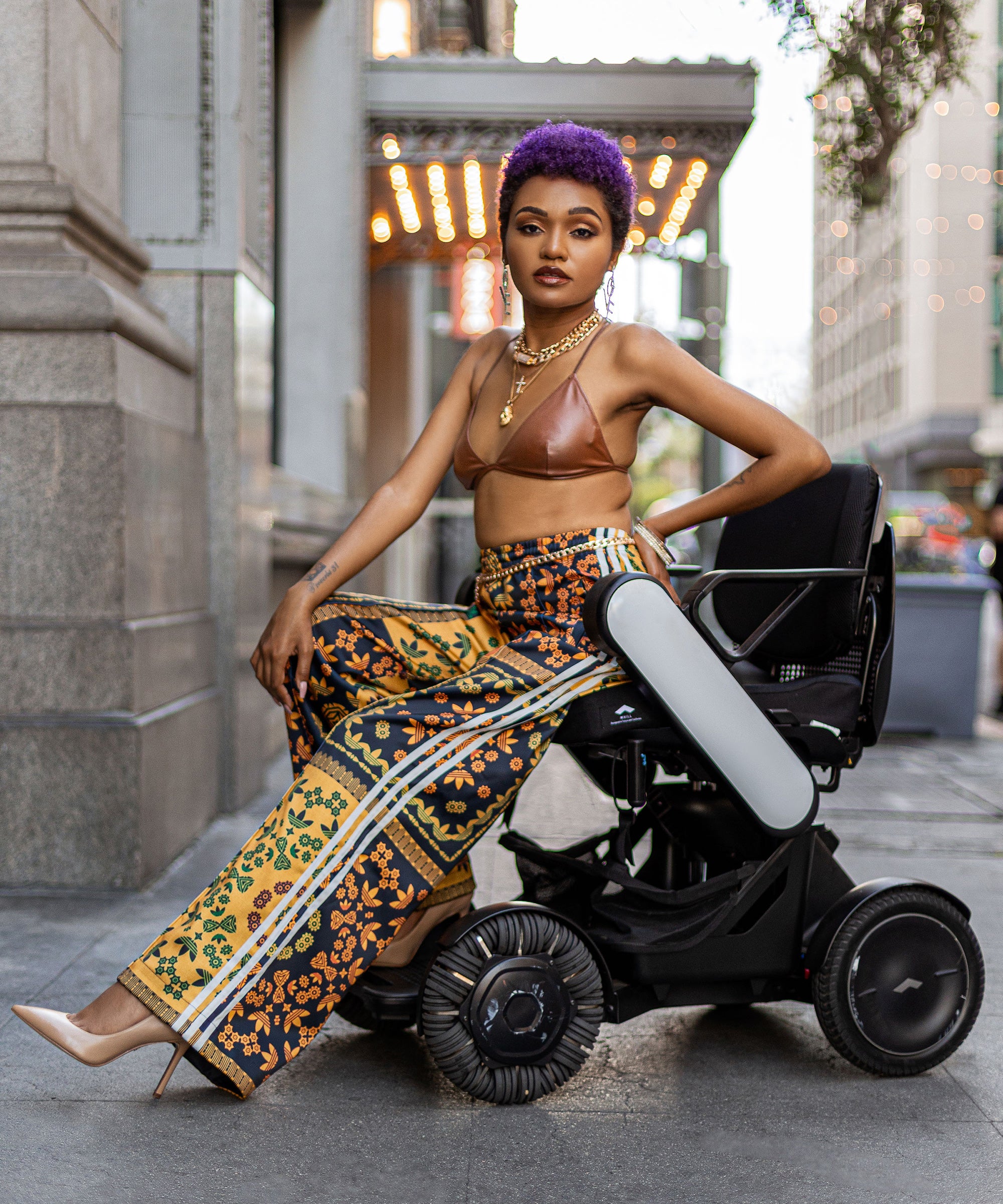
Lauren “Lolo” Spencer is an actress, model, and content creator known for her role in Give Me Liberty and for her advocacy around disability representation in media. A wheelchair user with ALS (amyotrophic lateral sclerosis), Spencer uses her platform to challenge stereotypes and push for authentic casting of disabled actors. Through film, digital content, and public speaking, she highlights the importance of visibility and access in the entertainment industry.
Armani Williams
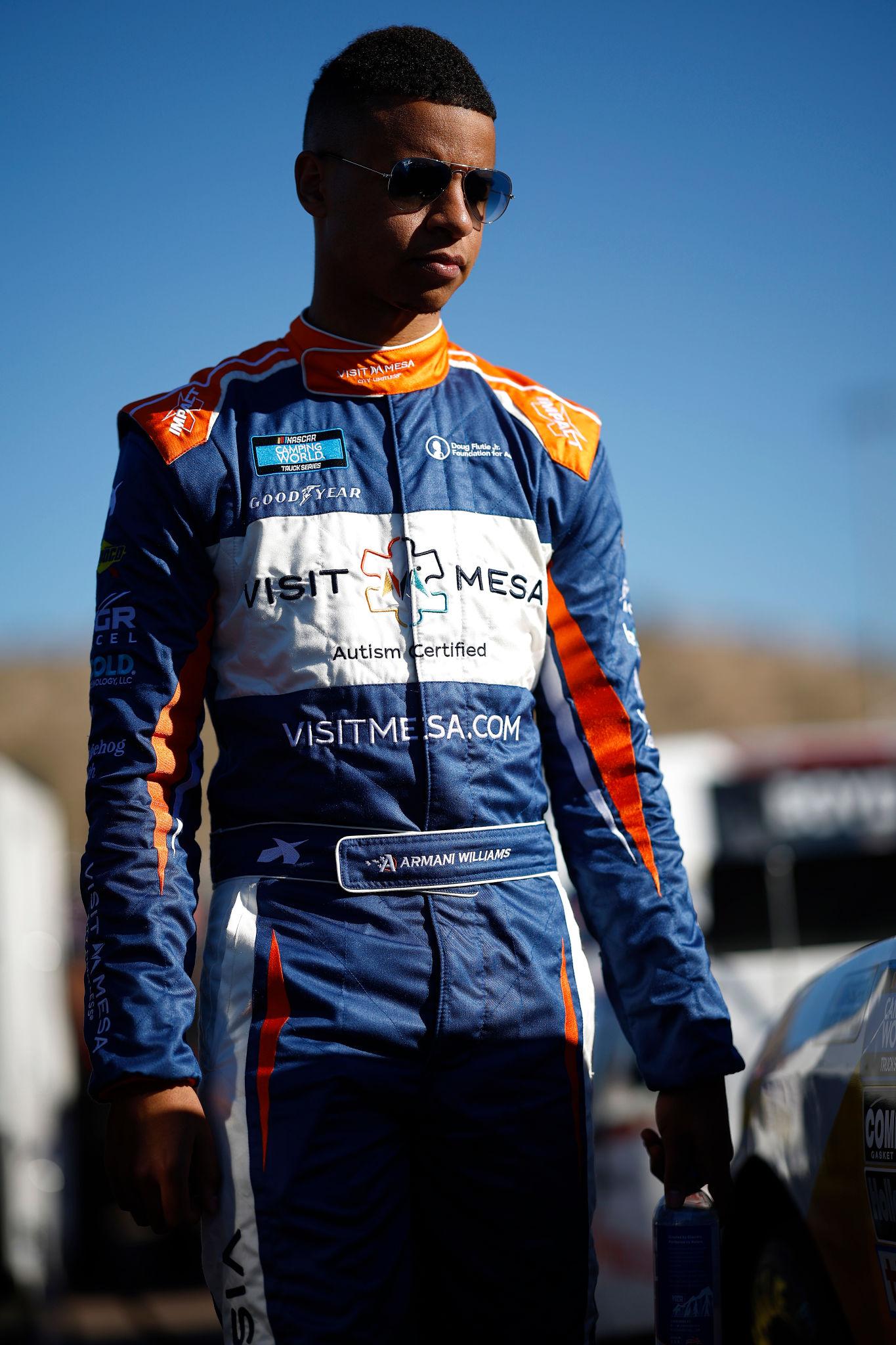
Armani Williams is a professional NASCAR driver and one of the first openly autistic drivers in the sport. Diagnosed with autism at a young age, he has used racing as both a career and a platform to challenge stereotypes about neurodivergence. Williams speaks openly about how autism shapes his focus, discipline, and performance, reframing it as a strength rather than a limitation. Through visibility in a high-adrenaline, male-dominated sport, he expands representation for autistic athletes and underscores the diversity of Black disability experiences.
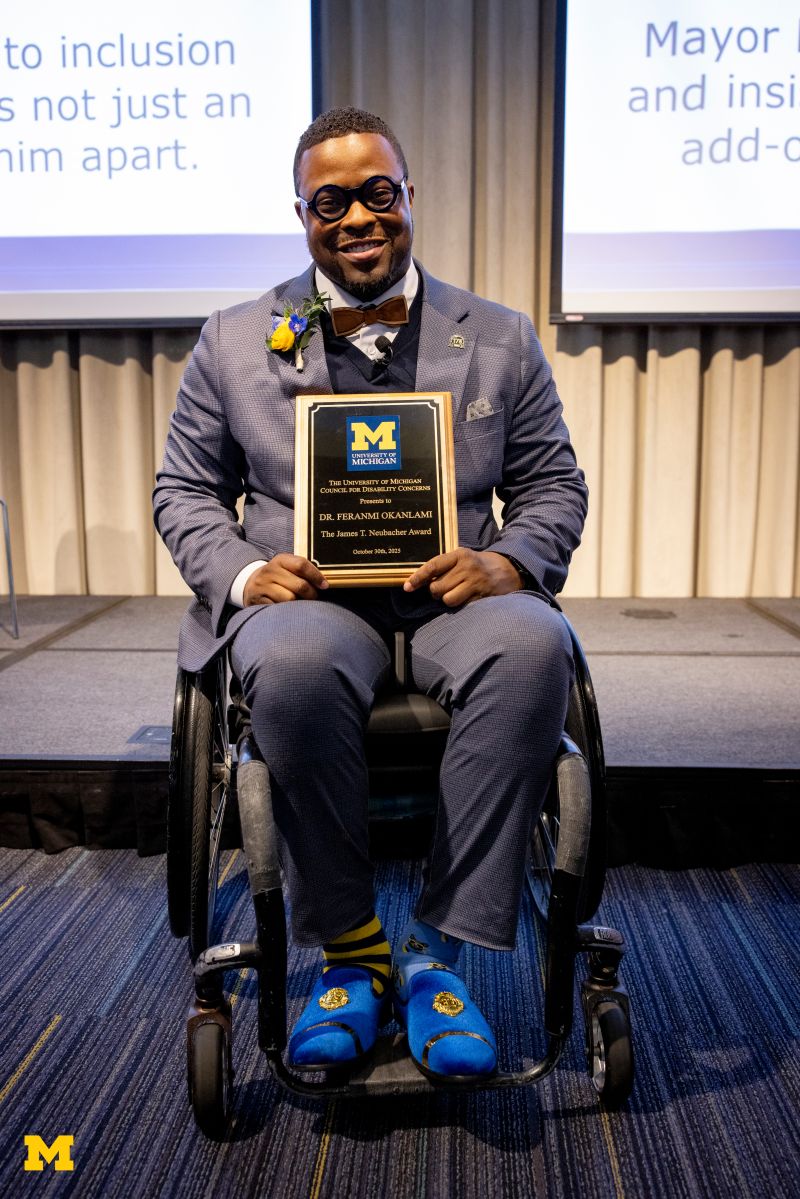
De. Feranmi Okanlami
Dr. Feranmi Okanlami is a physician, adaptive athlete, and disability inclusion leader who became paralyzed after a spinal cord injury during medical school. A wheelchair user, he has continued his career in medicine while advocating for adaptive sports, inclusive design, and greater representation of disabled professionals in healthcare. As the inaugural Director of Student Accessibility and Accommodation Services at the University of Michigan, he has worked to transform institutional access from the inside.
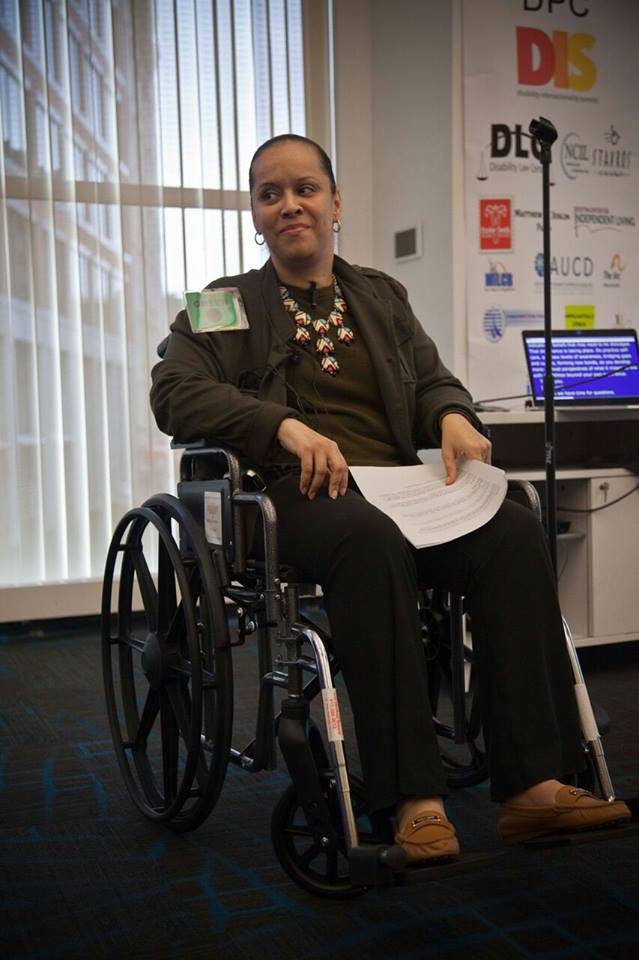
Heather Watkins
Heather Watkins is a disability rights advocate and writer who has used her platform to address ableism, racism, and the marginalization of disabled people within both policy and culture. As a Black disabled woman and wheelchair user, she has spoken about healthcare inequities, community care, and the importance of centering Black disabled voices in social justice movements. Through advocacy and storytelling, Watkins highlights how disability intersects with race, gender, and poverty.
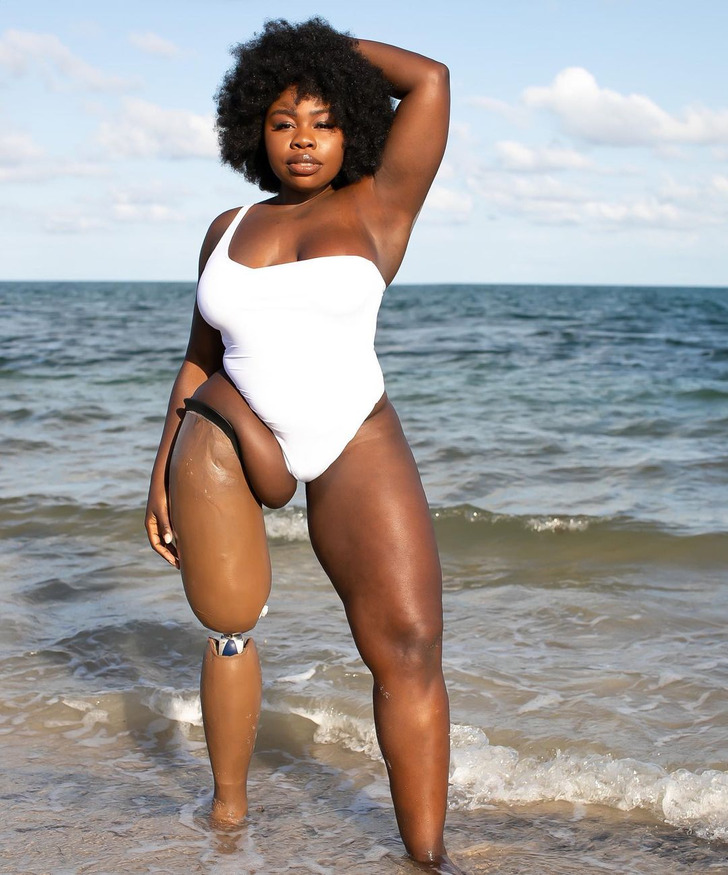
Marsha Elle
Marsha Elle is a model, singer-songwriter, and disability advocate who has pushed fashion and media to make space for disabled beauty and leadership. Born with proximal femoral focal deficiency (PFFD), she had her lower leg amputated and has spoken about learning to embrace visibility after growing up with stigma and bullying. By showing up on runways and campaigns unapologetically, she’s helped normalize limb difference and challenge narrow standards of who gets to be seen as glamorous, desirable, and powerful – making her an important voice in Black disability representation.
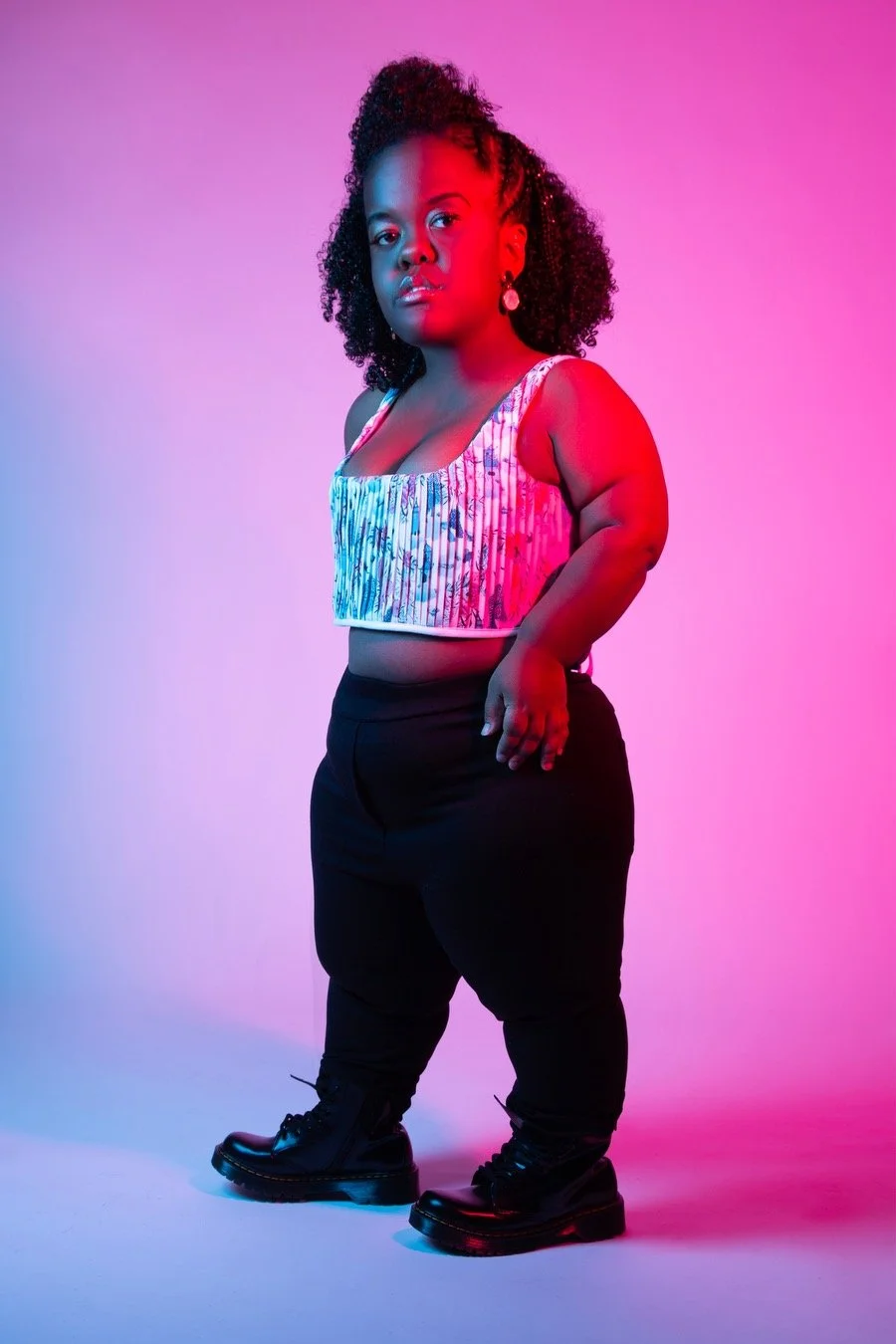
Gabe De Leon aka Lil Gabi D
Lil Gabi D is a Toronto-based content creator who uses her platform to advocate for dwarfism awareness and representation. A little person who has also shared that she is recovering from a spinal cord injury, she creates educational and lifestyle content that answers common questions about dwarfism and challenges everyday stigma. From demonstrating adaptive driving tools to documenting travel, shopping, and fitness, she makes visible the practical realities of navigating a world not designed for little people.
Prince Amponsah
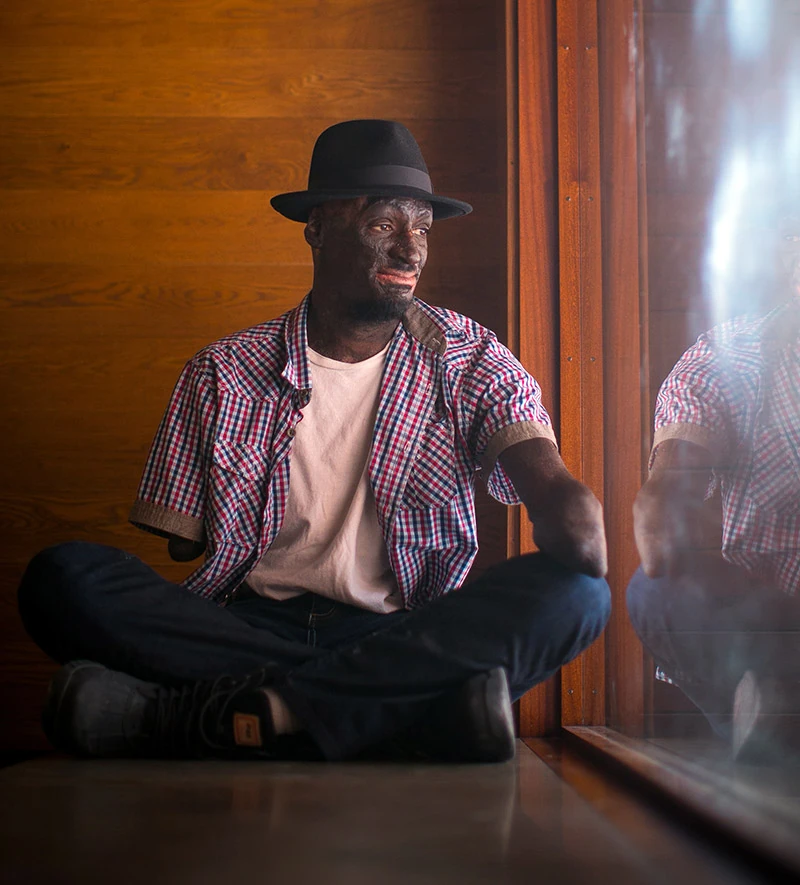
Prince Amponsah is a Canadian actor who lost both of his arms near the elbow after surviving a devastating apartment fire that left him with burns over much of his body. Following months in a medically induced coma and extensive reconstructive surgeries and rehabilitation, he returned to the stage and screen, appearing in productions such as Killjoys, Titans, and HBO’s Station Eleven. His presence in film and theatre challenges assumptions about visible disability in the entertainment industry, particularly within roles not written specifically for disabled actors. In sharing his recovery story through public speaking, Amponsah expands representation and visibility for Black amputees in media and cultural spaces.
Jesse Zesseu
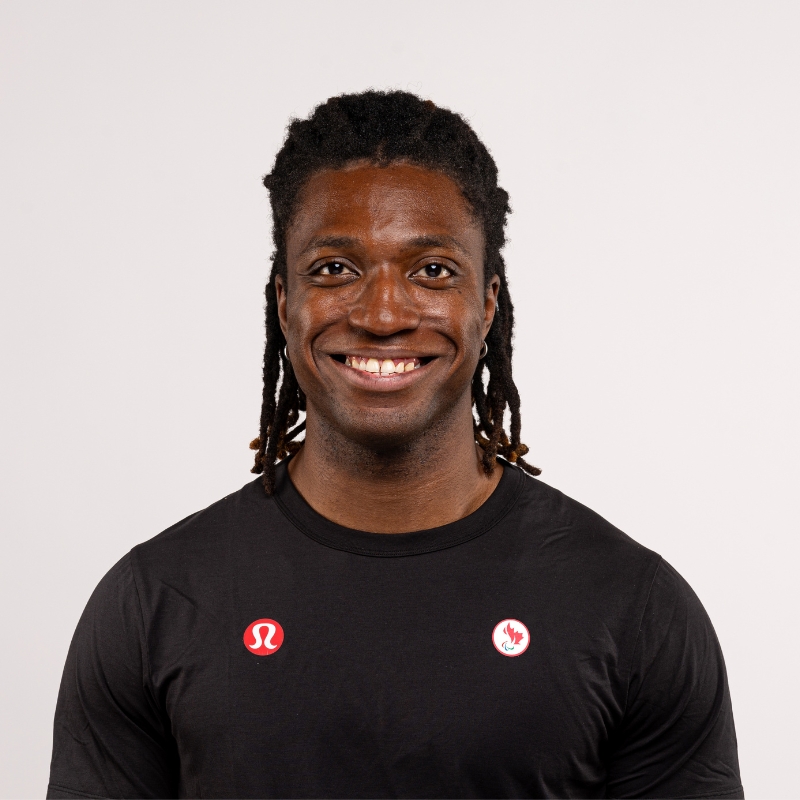
Jesse Zesseu is a Canadian Para athletics athlete who competes in throws and jumps in the F37/T37 classifications. Born in Cameroon and raised in Canada, he was born with cerebral palsy after a stroke at birth, which affects function on one side of his body. He earned major international medals at the Santiago 2023 Parapan American Games (silver in men’s F37 discus and bronze in men’s T37/38 long jump) and made his Paralympic debut at Paris 2024.
Sally Thomas
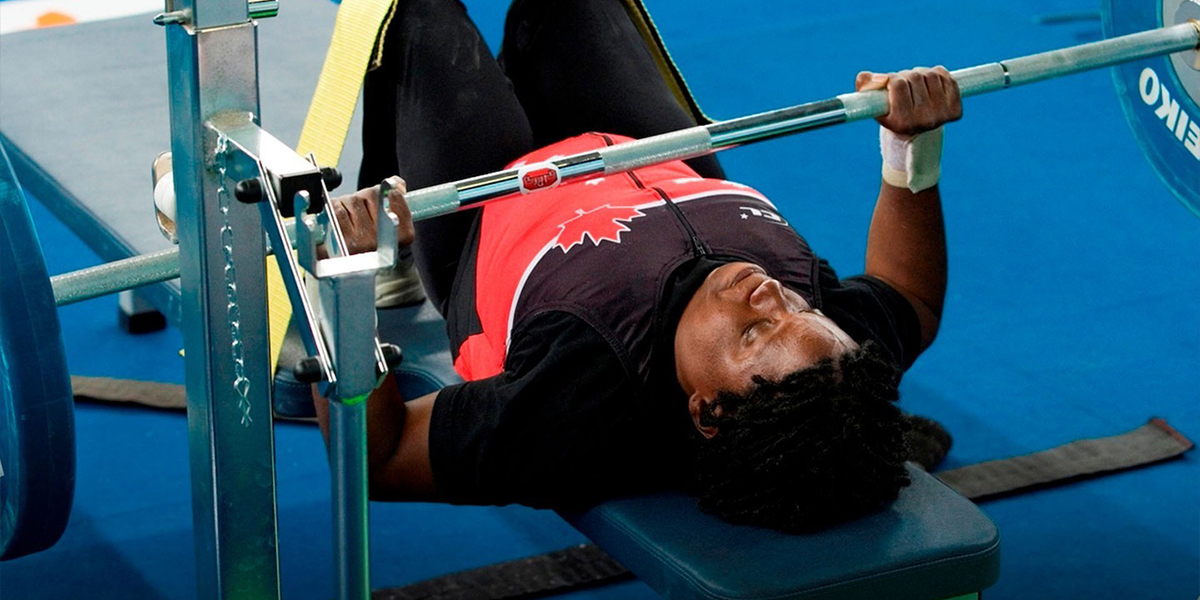
Sally Thomas is a Canadian Paralympic powerlifter, community advocate, and artist born with spina bifida and hydrocephalus. A wheelchair user who has undergone numerous surgeries throughout her life, she has competed in adaptive sports since childhood and earned more than 70 medals, including multiple national and international powerlifting podium finishes. Beyond sport, Thomas has spent more than two decades advocating for accessible transit and increased disability supports in Ontario, drawing from her own lived experience navigating healthcare, long-term care, and social assistance. Her leadership extends beyond athletics – through public speaking, peer mentorship, volunteering, and art
Keith Jones
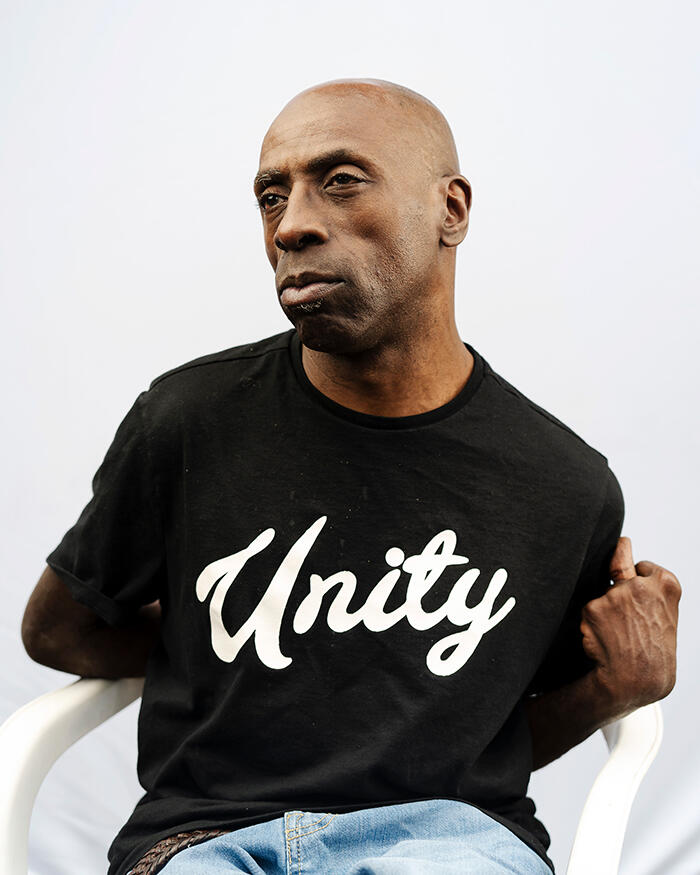
Keith Jones is a Black disability rights activist, writer, artist, and community leader living with cerebral palsy. As President and CEO of SoulTouchin’ Experiences, he has spent decades advocating for independent living, accessible housing, education, voting rights, and meaningful employment for people with disabilities, particularly those from marginalized communities. Jones co-founded Krip Hop Nation, a global collective of disabled artists who use music and performance to challenge ableism and create space for disabled culture, and his contributions to the documentary Rising Phoenix earned a Sports Emmy Award for Outstanding Music Direction. Beyond policy work, Jones uses poetry, spoken word, and community outreach to confront systemic barriers and build inclusive leadership.
Donald Galloway
Don Galloway was a blind disability rights advocate who worked at the intersection of racial justice and disability justice. After becoming blind at age 13, he dedicated his career to expanding inclusion and leadership opportunities for disabled people across public service and international development. As a leader within the Center for Independent Living movement, Galloway pushed for greater representation of people of colour in disability advocacy and successfully challenged discriminatory policies, including barriers preventing blind individuals from jury service and federal employment.
Joyce Ardell Jackson
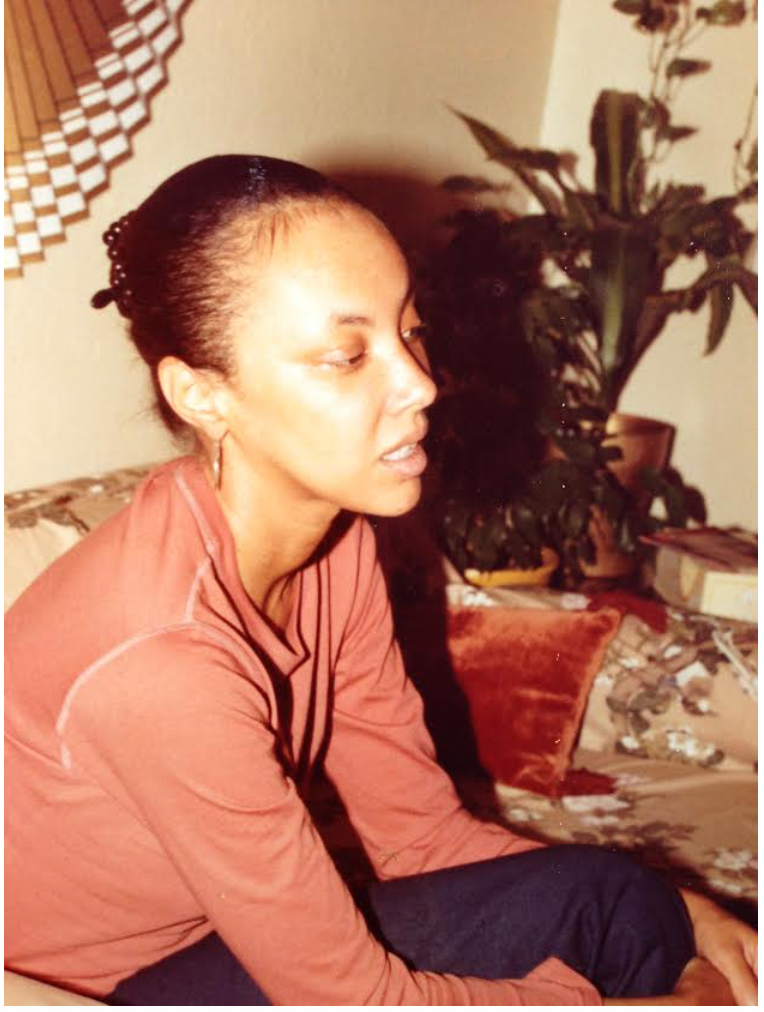
Joyce Ardell Jackson was a disability rights activist born in Berkeley, California, who contracted arthritis at a young age and underwent more than fifty surgeries throughout her life. She became a key participant in the historic 1977 504 Sit-In in San Francisco, joining over 150 disabled activists who occupied a federal building for nearly a month to demand enforcement of Section 504 of the Rehabilitation Act. Jackson later traveled to Washington, D.C., to press federal officials to implement the landmark protections prohibiting disability discrimination in federally funded programs. Through her work with the Center for Independent Living and the American Coalition of Citizens with Disabilities, she helped educate communities nationwide about disability civil rights, making her a vital figure in the foundation of modern disability justice.
Andraéa LaVant
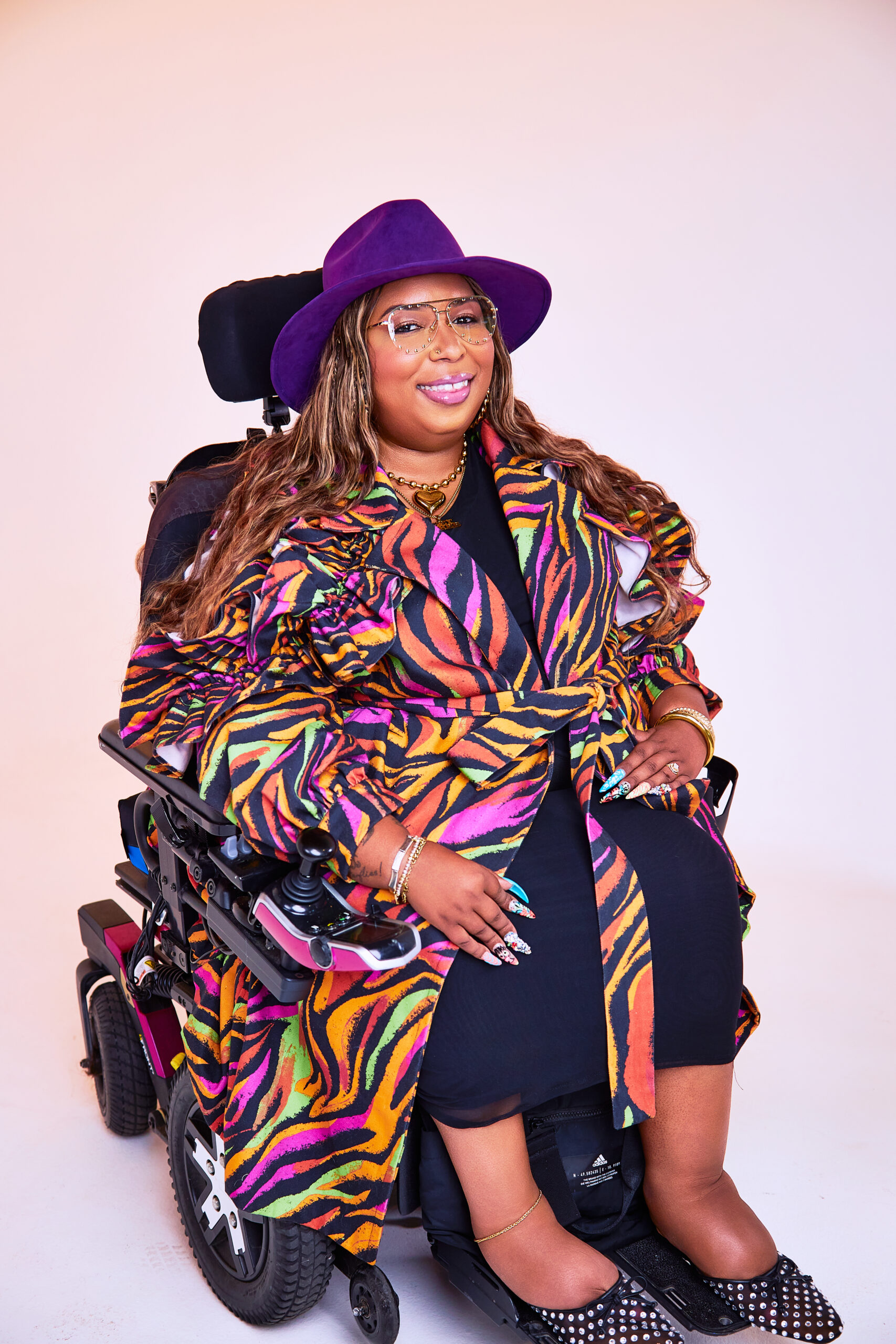
Andraéa LaVant is a disability inclusion consultant, entrepreneur, and speaker who founded LaVant Consulting to help brands, media companies, and institutions build authentic accessibility strategies. A Black woman with limb difference, she has worked with major fashion and lifestyle brands to push beyond performative inclusion and toward structural change in representation and design. LaVant frequently speaks about the importance of disabled leadership in decision-making spaces, especially for multiply marginalized communities. Through consulting, public speaking, and advocacy, she has helped reshape how disability inclusion is approached in fashion, marketing, and corporate culture.
Musiq SoulChild
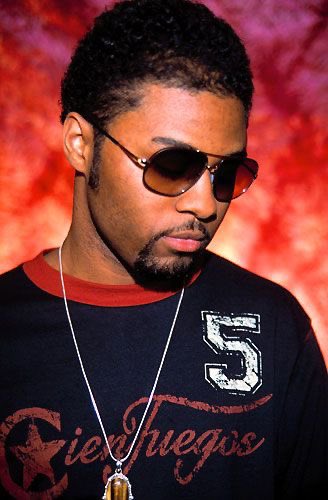
Musiq Soulchild is an R&B singer-songwriter who helped shape the neo-soul movement of the early 2000s with his distinctive voice and emotionally layered songwriting. He has spoken about living with exotropia, an eye condition caused by a childhood injury that affects the alignment of his eyes. Though often overlooked in mainstream “R&B king” rankings, Musiq pushed the genre forward with introspective lyrics and soulful production that influenced a generation of artists. His visibility as a Black artist with a visible eye condition challenges narrow beauty standards in entertainment and expands representation of disability within contemporary Black music history.
Kevionn Woodard
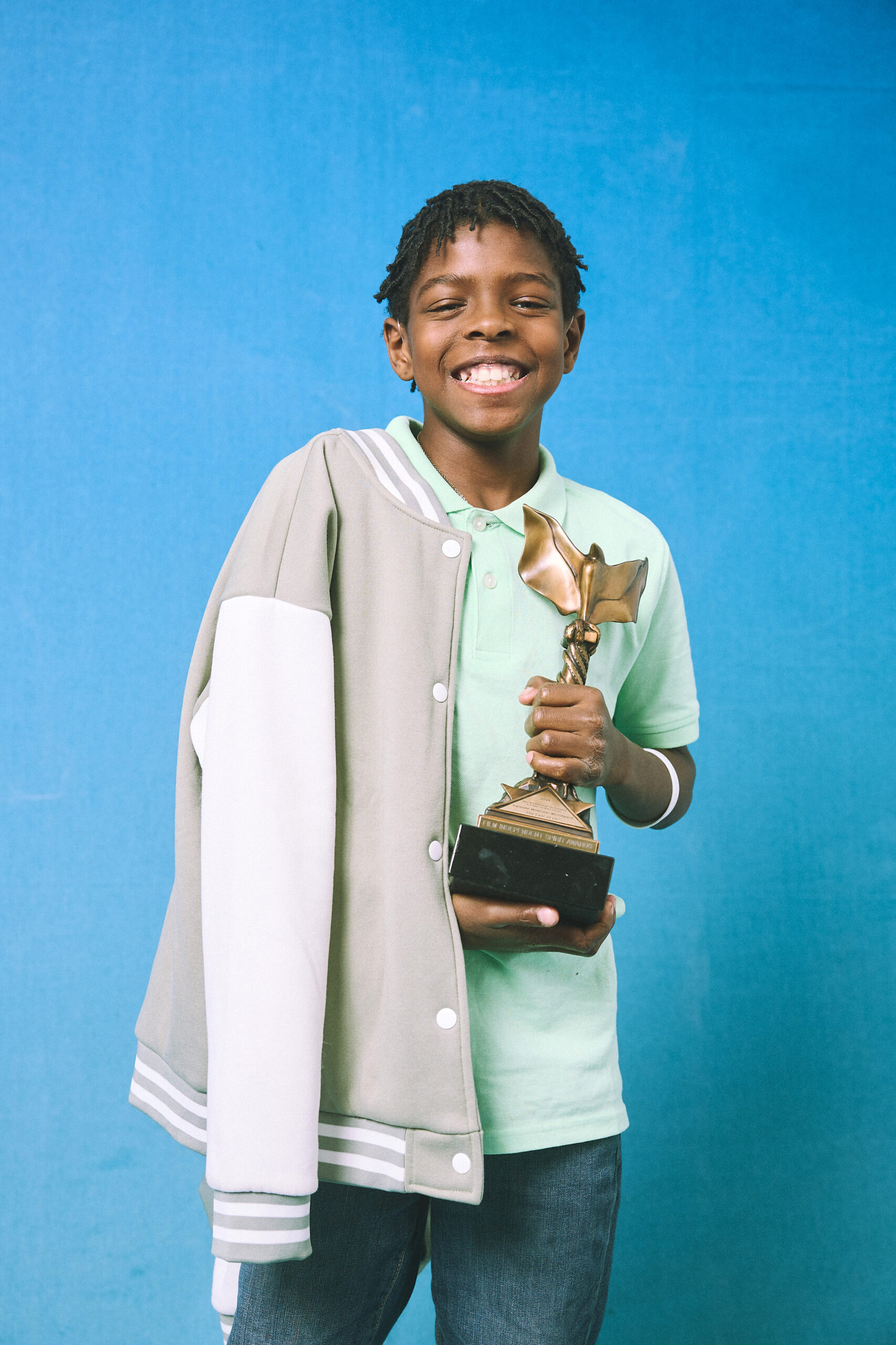
Keivonn Woodard is a Deaf American actor and athlete best known for his breakout role as Sam in HBO’s The Last of Us. A native ASL user, Woodard became the first Black Deaf actor – and the youngest nominee – to receive a Primetime Emmy nomination for Outstanding Guest Actor in a Drama Series. His casting was widely praised for bringing authentic Deaf representation to mainstream television, with the character rewritten as Deaf to reflect his lived experience. Beyond acting, Woodard is also an accomplished youth ice hockey player who has spoken about his goal of becoming the first Black Deaf player in the NHL.
This list highlights only a fraction of the many Black disabled and neurodivergent people who have shaped movements and pushed for access and equity. Black disabled history is expansive and ongoing. While Black History Month creates space to recognize these contributions, the responsibility to learn from and uplift Black disabled leadership extends far beyond February.
Latest on the blog
AccessFest 2026: Setting a New Festival Standard
Image is of Martin Deschamps and his team performing on stage at AccessFest 2025.Recently, our CEO Maayan Ziv wrote a piece for AFAR Magazine that asked: How do festivals really measure up when it comes to meaningful access for disabled and neurodivergent...
Milano Cortina 2026: Watching the Shift in Access
Photo from the Canadian Paralympic Committee website.The Winter Olympic Games in Milan and Cortina are coming to a close. Records were broken, rivalries were intensified, and fans from all across the world tuned in. Now, attention turns to the Milano Cortina 2026...

Does Winter Mean House Arrest for Disabled People?
This years snowstorm brought upon excellent opportunities to enjoy fresh and homemade ice-cream, along with the fun of tobogganing with friends and family. There is joy and beauty in watching the snowfall and spending some serious time binge watching romance with new...
