
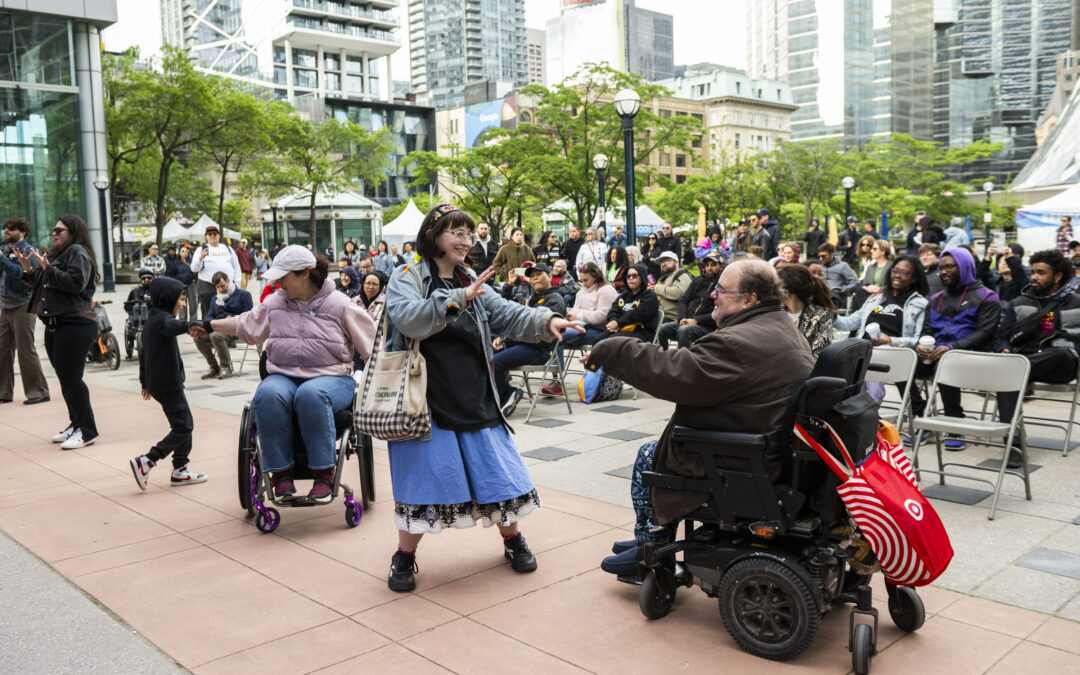
Every year on December 3, the International Day of Persons with Disabilities (IDPD) reminds us that inclusion is not just a goal — it is a collective responsibility. This day celebrates accessibility, equity, and full participation for people with disabilities while encouraging governments, organizations, and communities to advance meaningful change.
The 2025 theme, “Fostering disability-inclusive societies for advancing social progress”, highlights the importance of empowering people with disabilities across all parts of society.
What Do Disability-Inclusive Societies Look Like?
Disability inclusion is not one single action – it’s the result of many interconnected efforts woven into everyday life. From policy change to sports, design, technology, and tourism, the movement toward accessibility is continuously growing—and is being driven by real people, creating real stories and impact.
Representation in Law & Policy
Disabled policymakers are reshaping governments and legislation worldwide. Representation at decision-making tables ensures the voices of disabled people are being heard and represented. Examples include:
- Javed Abidi – A leading disability rights activist who influenced landmark accessibility and education policies through his work with India’s National Centre for Promotion of Employment for Disabled People (NCPEDP).
- Haben Girma – As the first Deafblind graduate of Harvard Law School, Girma advocates for disability justice globally and has influenced international digital accessibility practices.
- Stephanie Cadieux – Appointed as the Government of Canada’s first Chief Accessibility Officer in May 2022 – Ms. Cadieux is a member of the disability community, using a wheelchair since the age of 18. Her lived experience allows her to have a deep understanding of accessibility issues faced by people with disabilities.
Empowerment Through Sports
Inclusive societies recognize the power of accessible physical activity to build confidence, strengthen community, and show real representation. Sport and physical movement benefits everyone, and ensuring accessible pathways to participation is the first step in getting people involved.
- Neurodiverse Sport – An organization dedicated to creating neuroinclusive environments in sport, offering tools, training, and community-based programs to empower neurodivergent athletes to thrive.
- WeThe15Campaign – A global movement led by the International Paralympic Committee that aims to represent 15% of the world’s population with disabilities. Through powerful storytelling and international sport partnerships, WeThe15 strives for greater visibility, rights, and inclusion.
- The Invictus Games – Founded by Prince Harry, the Invictus Games spotlight the athletic achievements of wounded, injured, and sick service members and veterans. Beyond competition, the Games focus on mental health, community, and healing. Here is a recap of the 2025 highlights.
- Adidas Launches New Adaptive Shoes – “Equal access to sports for everybody is the goal”. In 2026, Adidas will be launching the first ever adaptive shoe built by and for the Down syndrome community – designed to support the unique needs of their feet. Learn more here.
Inclusive Technological Design
From accessible learning tools to assistive devices and inclusive digital platforms, technology plays an integral role in creating inclusive environments for everyone.
- Apple’s Accessibility Features – Inclusive technological design, improving quality of life and learning opportunities.
- Be My Eyes – A volunteer-powered app that uses AI and real people to support blind and low-vision users in daily tasks
- Google’s Disability Innovation work – A global effort focused on building accessibility into AI, software, hardware, and everyday tools.
- AccessNow’s work in accessibility-focused AI – Our team is exploring how artificial intelligence can help map accessibility, reduce barriers, and empower people to navigate the world with confidence.
Disabled-Owned Businesses
Entrepreneurs with disabilities continue to transform industries with innovative and community-centered design:
- Cup of Té – A wellness tea brand founded by disability advocate Taylor Lindsay-Noel
- IZ Adaptive – Fashion-forward adaptive clothing designed by Izzy Camilleri
- Two Blind Brothers – Soft basics built on a mission to support blindness research. 100% of the profits are donated to Foundation Fighting Blindness to help find a cure for blindness.
Inclusive Travel and Tourism
Accessible travel is key to building disability-inclusive societies. When cities, transit systems, hotels, and attractions remove barriers, they open the doors for everyone to experience travelling with more ease and dignity.
We have explored several internationally accessible travel and tourism experiences over the years:
- Airline Accessibility Policies: Delta & Air Canada (2024)
A breakdown of what travellers can expect when flying with mobility devices, assistive equipment, or support needs — including tips for planning a safe and smooth trip.
- Accessible Entertainment in Toronto
Eight venues across the city, from sports arenas to theatres, demonstrating what inclusive arts and culture can look like.
- Travel-Friendly Wheelchairs
A guide to choosing wheelchairs designed for mobility, independence, and ease while traveling. Eight venues across the city, from sports arenas to theatres, demonstrating what inclusive arts and culture can look like.
- Accessible Fort Lauderdale Travel Guide
A full itinerary showcasing beaches, parks, restaurants, adaptive experiences, and barrier-free attractions in Fort Lauderdale.
At AccessNow, we are committed to honouring the past, celebrating the present, and continuing to build a future where accessibility is celebrated and included.
IDPD is a reminder that:
- Accessibility must be built in to the systems first – not as an afterthought.
- Disability inclusion requires ongoing efforts.
- Disability representation matters across all sectors.
- And most importantly, to not forget: nothing about us, without us.
Latest on the blog

“Unremarkable” Has Never Looked This Good: Apple’s New Film Raises the Bar for Disability Representation
Today Apple dropped its latest accessibility short film, an all-out musical celebrating college life through the lens of Deaf and disabled students. Timed for International Day of Persons with Disabilities on December 3rd (IDPD), it is joyful, cinematic, and full of...

Honouring Indigenous Disability Awareness Month 2025
What is Indigenous Disability Awareness Month?November is Indigenous Disability Awareness Month (IDAM). Created in 2015 by the British Columbia Aboriginal Network on Disability Society (BCANDS), November is a time to recognize the valuable social, economic, and...
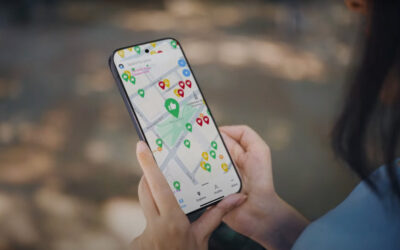
AccessNow: Harnessing AI to Power the Future of Accessibility
In partnership with Google, AccessNow is unlocking new ways to deliver smarter accessibility insights with AI.When AccessNow first launched in 2015, our vision was bold: to answer every access inquiry, for every place on earth. It was a dream born from lived...
