July is Disability Pride Month, and this year’s theme is: “The World Works Better With Us.” There’s a real idea behind that theme, and it has a name: the curb-cut effect.
It’s named after those sloped ramps cut into sidewalk corners. They were built in the 1970s so wheelchair users could cross the street without being stopped by a curb. Disability advocates fought for them, city by city, for years. Once they existed, everyone else started using them too. Parents with strollers. Travelers dragging suitcases. Delivery workers pushing carts. Kids on bikes.
That’s the pattern. Solve a real problem for a disabled person, and you often end up solving an issue for everyone else too.
A few more examples:
Wayne Westerman built multi-touch technology because he was living with Carpal Tunnel Syndrome and experienced limited dexterity, needing a better way to interact with a computer. The intent to build inclusive technology is why every smartphone and trackpad responds to a swipe today.
Closed captions were created so Deaf and hard-of-hearing viewers could access and enjoy television. Now they’re just as likely to be turned on by someone watching a video on mute during their commute, or scrolling their phone in a loud restaurant.
Ray Kurzweil built the first text-to-speech reading machine in 1976 so blind people could have printed text read aloud to them. That’s the direct ancestor of every screen reader running today, and of Siri and Alexa answering your questions out loud.
And a bendy straw exists because, in the 1930s, Joseph Friedman wanted his young daughter to be able to drink a milkshake without struggling. Now that same bendable straw is standard in nearly every hospital room and restaurant table in the country.
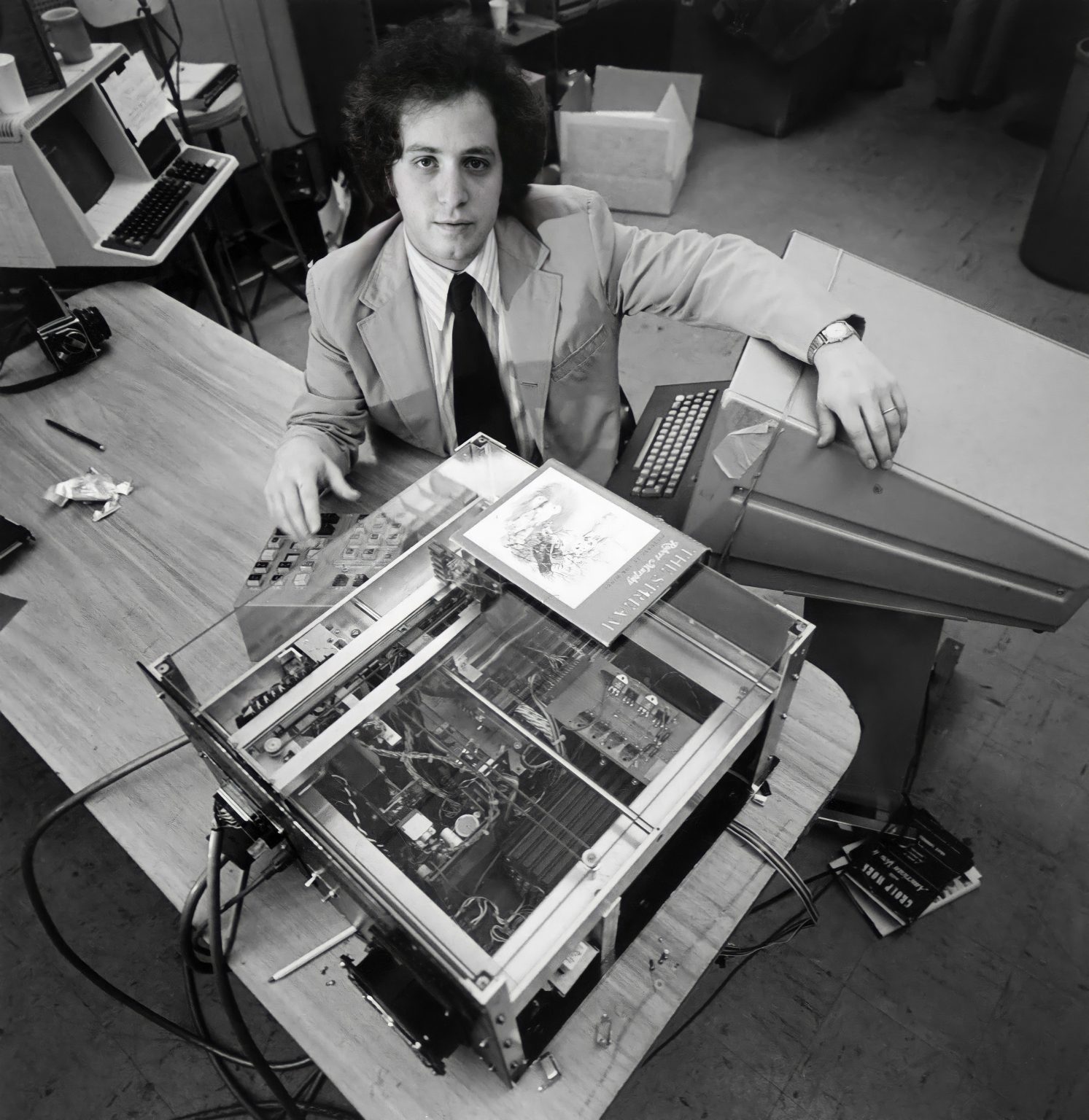
Kurzweil and his Reading Machine, 1977. Image is from Historyofinformation.com
The Curb-Cut Effect is Still Happening, It Just Looks Different Now.
Take air travel. Disabled advocates have spent years pushing airlines and regulators for safer, more dignified treatment on flights. Not just physical accessibility, but basic respect, regardless of how someone looks or whether their disability is visible at all.
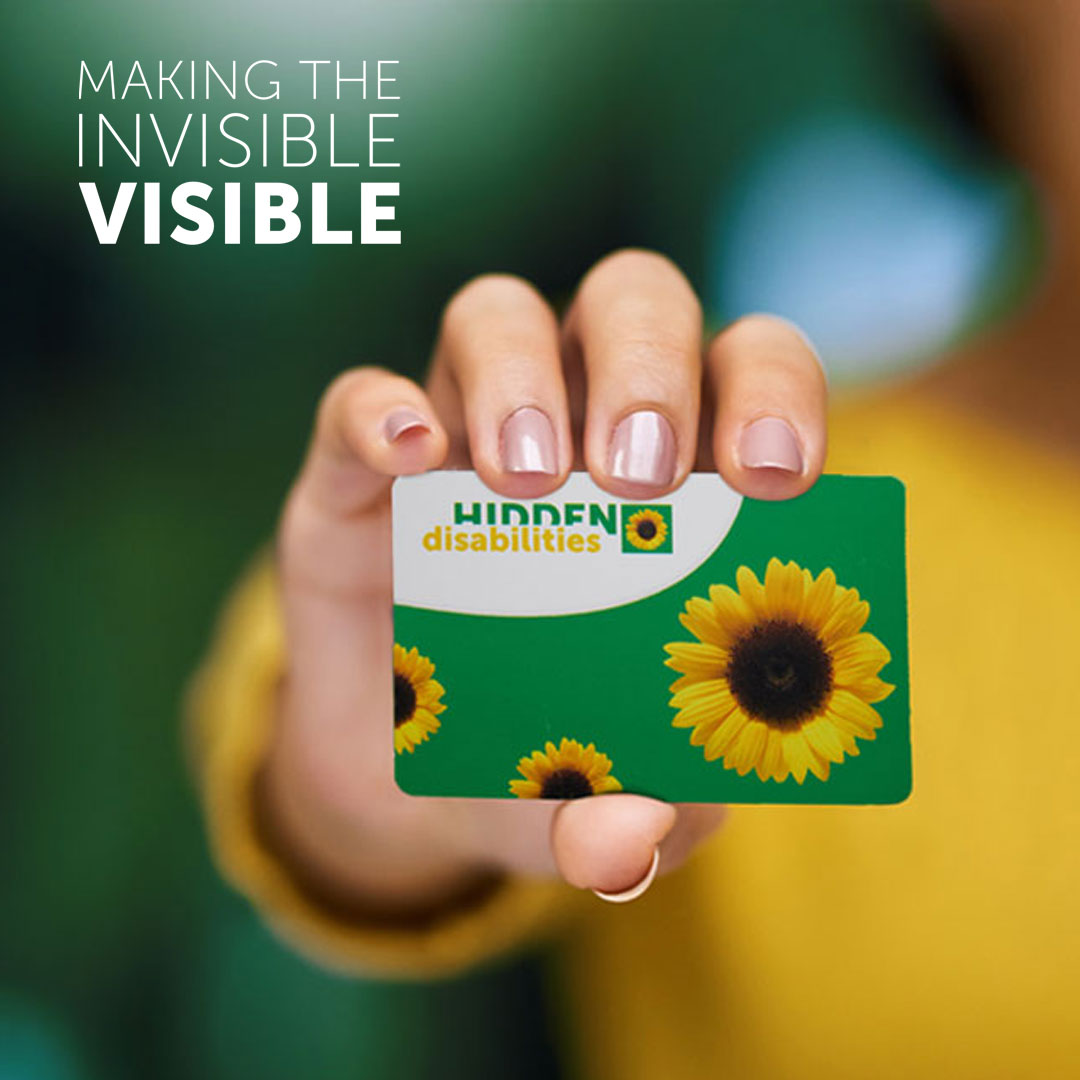
That work doesn’t only benefit disabled travellers. Better boarding processes, clearer communication and handling, staff who are actually trained to help instead of guessing – it makes flying less stressful for anyone. This is how the Rights on Flights and the Hidden Disabilities programs were born.
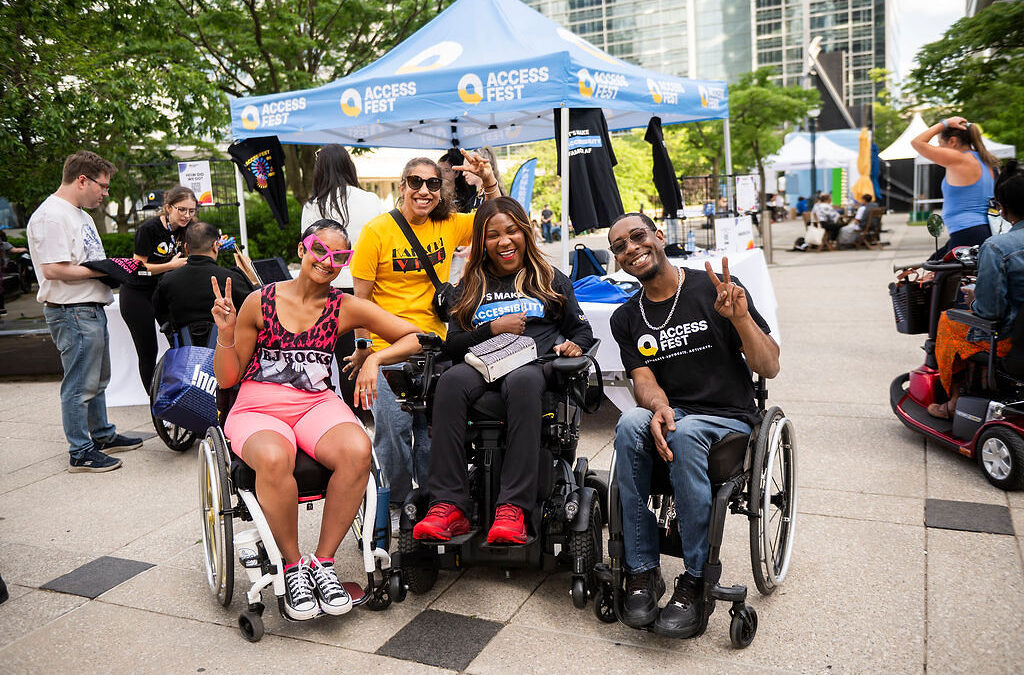
Or take events like AccessFest. It’s much more than just a festival – it’s a movement celebrating disability culture, accessibility, creativity, innovation, and community.
Accessible site access and washrooms, on-site support services, quiet spaces, seating, service animals, clear sightlines, sensory considerations, and so much more goes into consideration to making AccessFest a better experience for all. Accessible design isn’t an add-on to the event, it’s integrated into every step and decision.
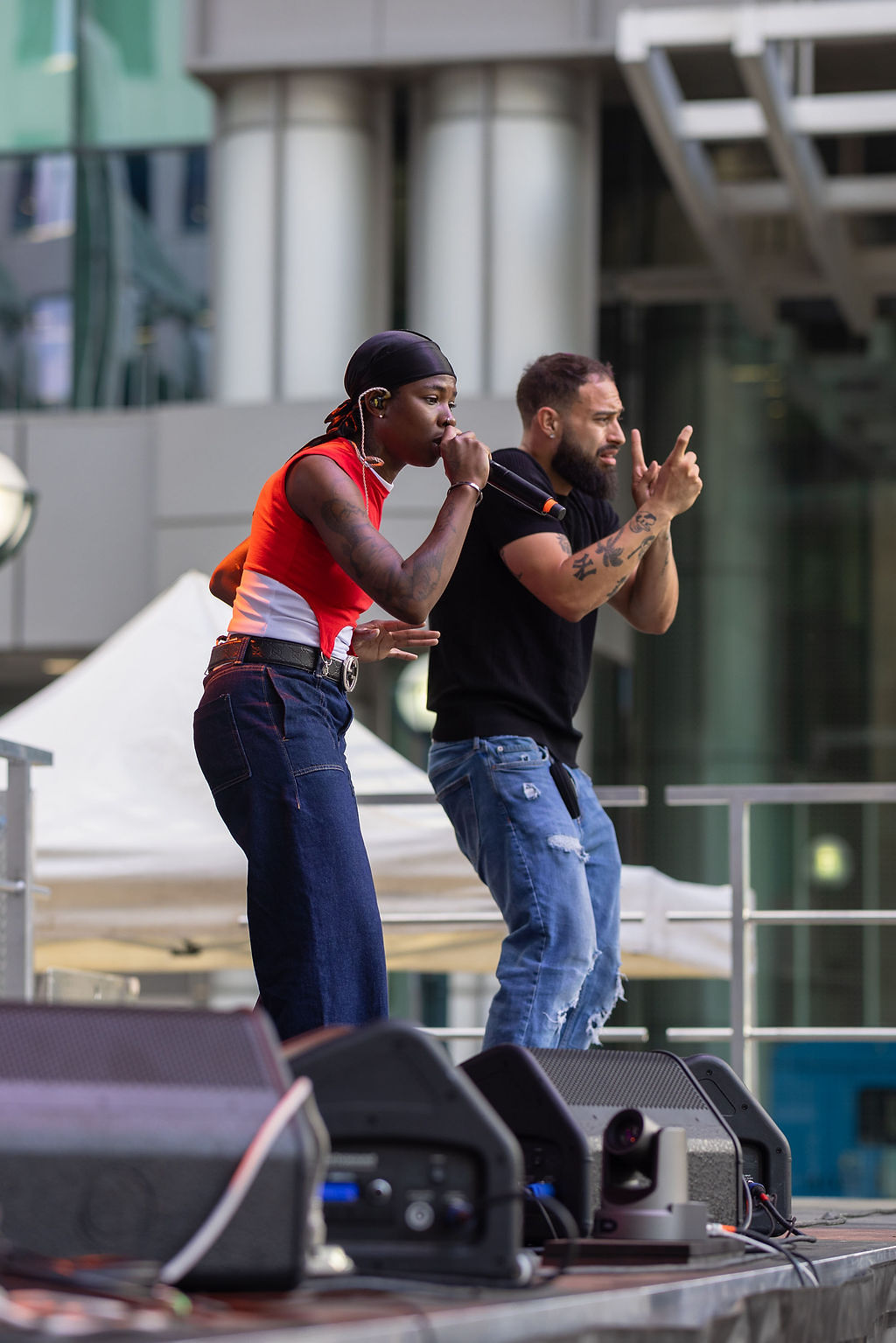
Some of these inventions and concepts were built in mind for one person, or one community, to solve a specific problem. Whatever wider use it found came later, and because disabled people did the work of creating the solution in the first place.
That’s what “the world works better with us” actually means, this Disability Pride Month and every month. Every time accessibility gets built into something whether it is a sidewalk, a smartphone, a flight, or a festival – the impact is bigger than we think. It’s better for everyone.
The curb cut is still just a curb cut. But it’s also the clearest example we have: build for the person who’s been left out, and you end up building something better for everyone who comes after.
Latest on the blog

Families Want Accessible Travel, and They’re Willing to Pay For It
A new report from Fora, a network of travel advisors, puts numbers behind something many of us already know: accessibility needs aren't rare in family travel, they're common. And the travel industry still isn't set up to handle them well. Fora surveyed 2,592 U.S....
Accessible Trails to Discover in the GTA and Beyond This Summer
Summer in Ontario means longer days, warmer air, and a whole province of trails waiting to be explored. Whether you're looking for a quiet, paved walk or a trail that keeps you busy and runs for kilometers, there's a route out there for you. We've pulled together nine...
& Juliet’s First Chilled Performance Comes to Toronto!
This summer, & Juliet is doing something special. On Thursday, July 2, the Royal Alexandra Theatre will host the show's first-ever Chilled Performance - a more welcoming, lower-pressure way to experience one of the most joyful musicals on stage right now. If...
